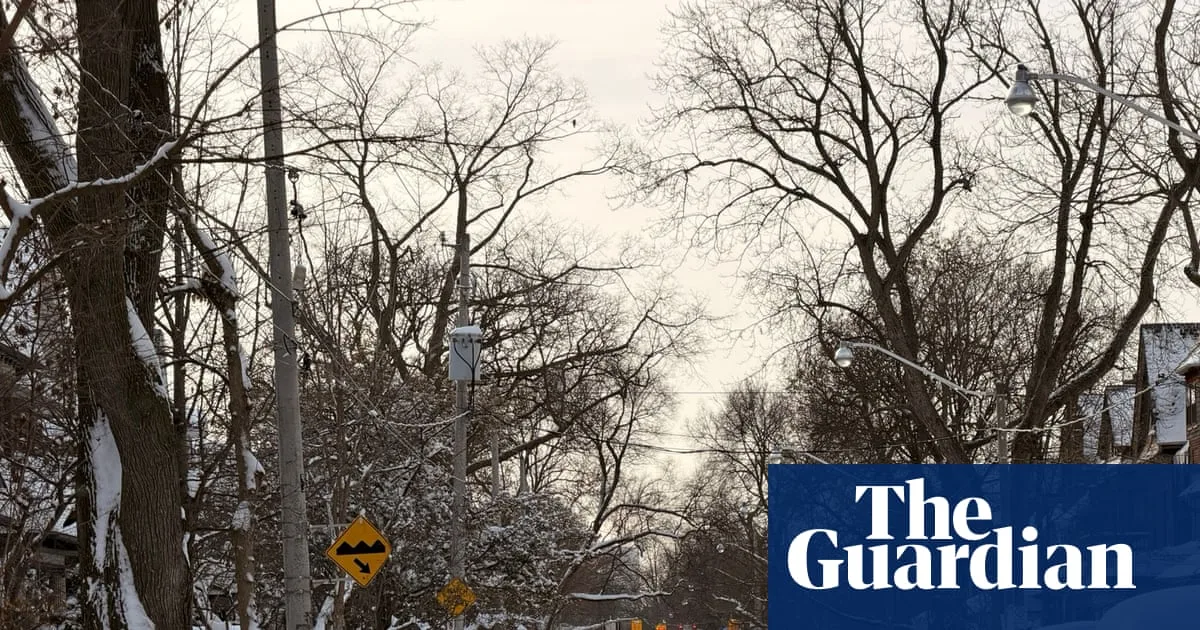
Toronto is beginning to clear up after experiencing the largest snowfall in the city's history, with some areas buried under nearly 60cm of snow. Officials have warned that the process could take several days.
More than 500 flights were cancelled on Sunday after Toronto Pearson International Airport was snowed in. The airport has recorded over 88.2cm of snow this month, making it the snowiest January and snowiest month since records began in 1937.
The storm caused over 430 collisions in Toronto and 200 more in surrounding areas, including one fatality. Police warned drivers that snowbanks created by plows could cause cars to launch off highways. The city's transit system also faced multiple delays and closures, including a derailed streetcar and subway disruptions on above-ground sections.
City manager Paul Johnson stated that main roadways would be prioritised, but residential streets and sidewalks might not be cleared for days. Residents can track snowplows using the city's GPS tool, PlowTO.
In the US, the storm led to flight cancellations, ice storms, power outages, and at least 13 weather-related deaths. Despite the disruption, many Toronto residents embraced the snowfall, with some skiing on quiet streets and children enjoying a snow day on a long weekend.
Meteorologist Bill Coulter attributed the extreme snowfall to Arctic air colliding with moist tropical air, with Toronto's location on Lake Ontario playing a key role. He described the storm as a 'monster' that far exceeded initial predictions.