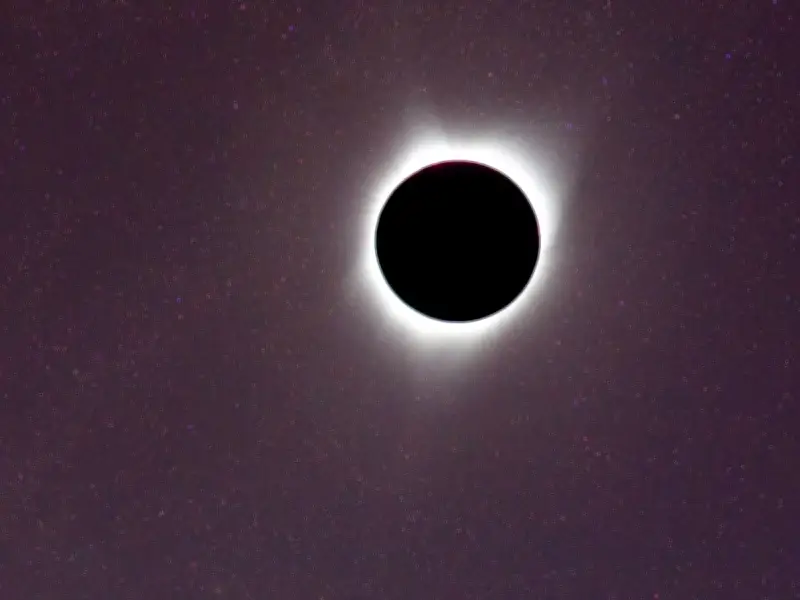
The UK is experiencing its best solar eclipse since 1999 today, but another breathtaking astronomical event is set to follow tonight, and stargazers are urged to stay outside to witness it.
This evening, the moon will block out roughly 90% of the sun, with the partial eclipse getting underway just after 6pm and the dramatic peak arriving just after 7pm. Exact times will depend on location within the country.
Perseid meteor shower peaks tonight
The Perseid meteor shower is hitting its absolute peak tonight, 12th August, and the timing could not be more perfect. Space enthusiast Ricky D'Costa, who shares universe facts on TikTok, is urging people to resist heading indoors once the eclipse wraps up.
Speaking in a viral video, he said: "As soon as darkness falls on Wednesday, August 12th, which is when the UK is going through a solar eclipse, the peak of the Perseid meteor shower will begin. But here's why this specific night is so special."
He added: "Because the solar eclipse happens during a new moon, there is going to be zero moonlight in the night sky. In total darkness, you should be able to see about 100 of these meteor showers, or shooting stars, every hour. So grab a blanket and your friends, and make sure to stay outside after 8pm and witness this once-in-a-lifetime event."
A rare celestial alignment
Royal Museums Greenwich describes the Perseid meteor shower as one of the finest astronomical displays the night sky has to offer between July and August each year. The shower has been active since around 17th July and runs through to 24th August, but tonight represents the undisputed sweet spot for catching meteors at their most frequent and dazzling.
What makes tonight truly exceptional is the complete absence of moonlight. Because the eclipse occurs during a new moon phase, the sky will be as dark as it gets, meaning far more shooting stars will be visible to the naked eye than on a typical night. This combination of circumstances won't come around again for a very long time. The next time the Perseid peak lines up with a new moon isn't expected until 2045 – a wait of nearly 20 years.
How to see the meteor shower and eclipse safely
For the best experience, get away from the glow of town centres and busy roads. Going to a local park or driving out to the countryside will make a considerable difference to how many meteors you can pick out. Once you've found your spot, give your eyes a full 15 minutes to adjust to the dark – and that means putting your phone down, too.
You won't need any specialist equipment to enjoy the display. Binoculars and telescopes are actually more of a hindrance than a help when it comes to meteor showers, since they narrow your field of vision. Meteors can appear anywhere in the sky, so seeing as much of the open sky above you as possible is ideal.
If you're planning to catch the eclipse earlier in the evening, ensure you never look directly at the sun, even when it is partially covered. The risks to your eyesight are severe. Purpose-made solar eclipse glasses with proper UV protection are essential – though stock has already sold out across Amazon and other major retailers. If you missed out, you can put together a simple pinhole projector at home using a cardboard box and a piece of kitchen foil, which will let you watch the eclipse safely.
Alternatively, you can watch the solar eclipse safely from your sofa via Royal Observatory Greenwich, which will be livestreaming the event using one of its modern telescopes. Coverage will begin on YouTube and Facebook at 6.10pm. According to the website, there are no plans to livestream the Perseid meteor shower, so you will need to try and spot that yourself once the sun goes down tonight.