The UK's recent solar eclipse, despite extensive media coverage and public anticipation, proved underwhelming for many, including Daily Star reporter Adam Cailler, who admitted he and his family would have been better off watching it on television.
Hype vs. Reality
Cailler, along with his wife, daughter, and neighbours, gathered outside with specialist glasses and colanders to witness the event. However, the experience fell flat. One neighbour questioned whether the eclipse had started, saying: “I can't see any difference . . . is it actually happening?”
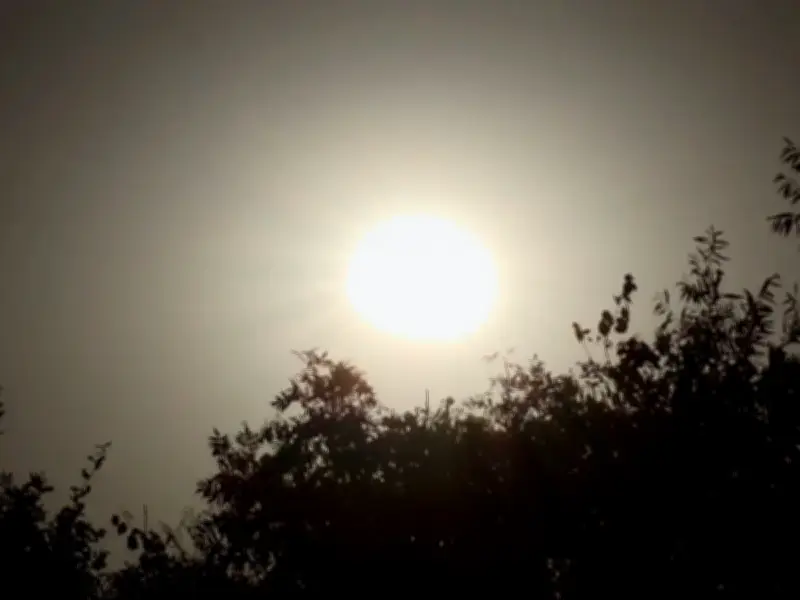
Another neighbour approached Cailler as he filmed on his phone, asking if they had got the time wrong. They hadn't – it was 7.10pm, near peak time. Despite the sun being “RIGHT THERE,” nobody could see anything significant.
A Collective Disappointment
The event, which was a 90-something per cent eclipse rather than a total one, made it go “a bit dark outside,” but it looked no different from a typical grim British day. Cailler compared the scene to the pandemic-era doorstep clapping, where people participated without much personal conviction.
After the anticlimax, everyone retreated indoors to watch the event on television, where Sky News had professional equipment aimed at the sun – something no ordinary person could afford.
In the end, Cailler concluded that the eclipse was “over-hyped, a bit naff,” and that watching it on TV would have been a better option, offering a life lesson in managing expectations.