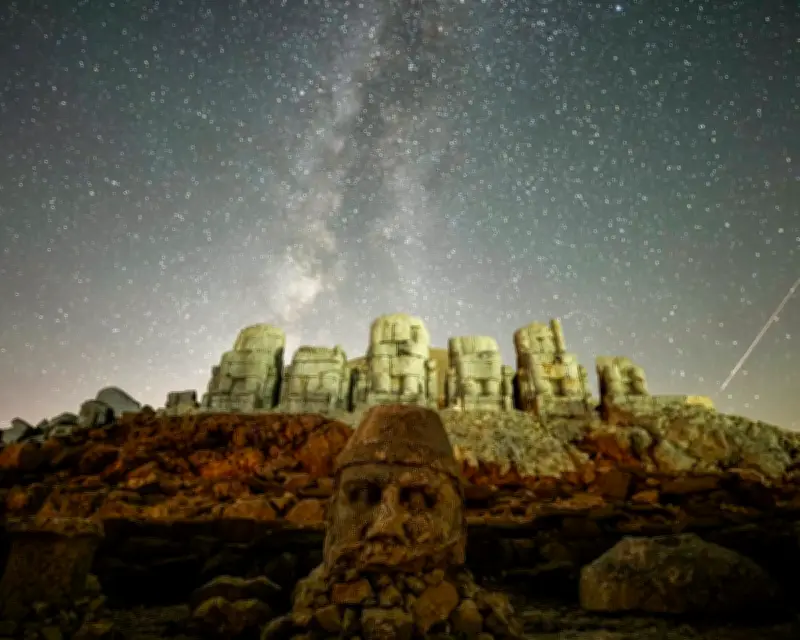
The Perseid meteor shower, one of the most anticipated celestial events of the year, reaches its peak this week. Under ideal conditions, skywatchers could see up to 100 meteors per hour.
Best viewing times and conditions
The shower is best viewed after midnight and before dawn, when the radiant point in the constellation Perseus is highest in the sky. Clear, dark skies away from city lights offer the best chances of seeing the most meteors.
The moon will be in a favorable phase, setting early and leaving dark skies for optimal viewing.
What causes the Perseids
The Perseids are caused by debris from Comet Swift-Tuttle. As Earth passes through the comet's trail, particles burn up in the atmosphere, creating bright streaks of light.
Observers are advised to allow their eyes to adapt to the dark for about 20 minutes and to be patient, as meteors can appear in bursts.