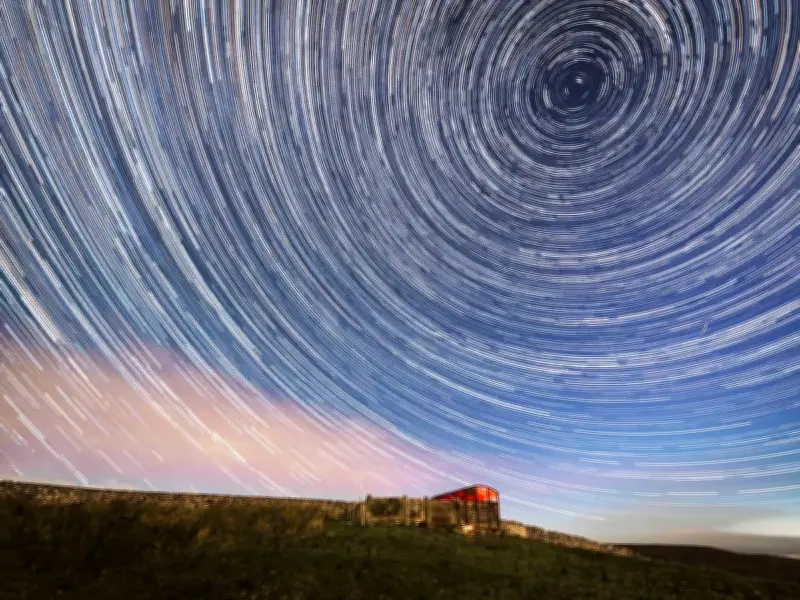
The Perseid meteor shower, one of the most anticipated celestial events of the year, is set to peak this week, promising a spectacular show for stargazers across the UK.
Peak Viewing Times
According to the Royal Observatory Greenwich, the shower will reach its maximum activity on the night of August 12-13, with the best viewing window between midnight and dawn. During this period, observers could see up to 100 meteors per hour under clear, dark skies.
The Perseids are known for their bright, fast-moving meteors, which leave glowing trails that can last several seconds. They are visible from mid-July to late August each year, but the peak is the most intense period.
How to Watch
To get the best view, find a location away from city lights and allow your eyes to adjust to the darkness for about 20 minutes. No special equipment is needed, but a comfortable reclining chair or blanket can enhance the experience.
The Royal Observatory advises that the meteors will appear to radiate from the constellation Perseus, but they can be seen anywhere in the sky. Patience is key, as activity can vary.
Weather and Conditions
Clear skies are essential for optimal viewing, and the Met Office forecast suggests that parts of the UK may experience cloud cover. Stargazers are encouraged to check local forecasts and plan accordingly.
The Perseid meteor shower is a result of Earth passing through debris left by Comet Swift-Tuttle. This year, the Moon will be in a waning crescent phase, providing darker skies and better viewing conditions.