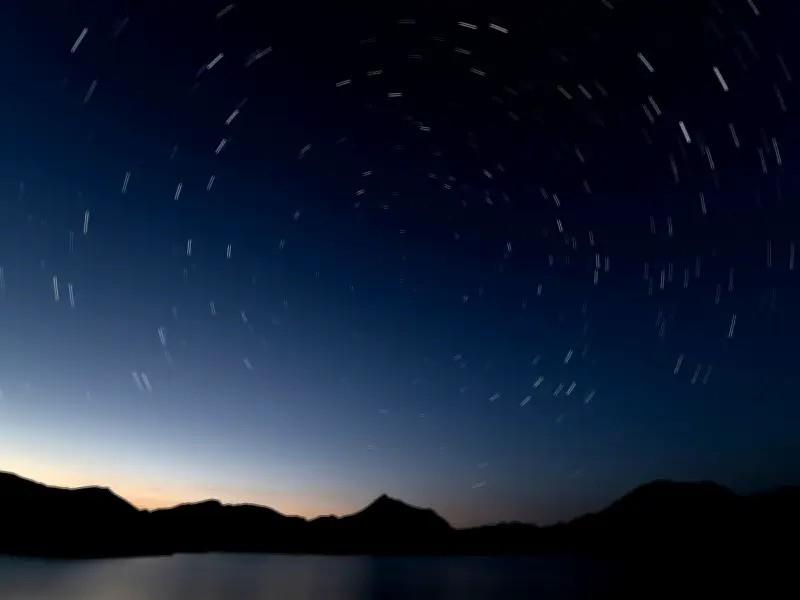
The Perseid meteor shower, one of the year's most anticipated astronomy events, will reach its peak on the night of August 12 and into the early morning of August 13. Observers in the UK can expect to see up to 150 meteors per hour, with ideal viewing conditions thanks to a new Moon.
What causes the Perseids?
The meteors are debris from the comet 109P/Swift-Tuttle, which last visited our region of the solar system in 1992, according to NASA. As Earth orbits the Sun, it passes through the comet's debris trail, and these space remnants collide with our atmosphere, creating fiery and colorful streaks.
Scientists estimate about 48.5 tons of meteoritic material falls on Earth each day. Perseids frequently leave long "wakes" of light and color behind them as they streak through Earth's atmosphere. The radiant of the Perseids is always above the horizon as seen from the UK.
Peak viewing times
The shower has been active since July 17 and will continue through August 24. The number of meteors increases each night until the peak on August 12-13, after which it will tail off. The best time to see the Perseids is between midnight and 5:30am.
According to NASA, the visibility should be ideal due to the new Moon phase, which keeps the skies dark. The space agency said: "The Perseids are among the oldest recorded meteor showers, with observations dating back more than 2,000 years. They are a favourite annual event because they are reliably active and visible, take place in warmer months, and are known for producing fireballs – exceptionally bright meteors that leave a glowing trail as they streak across the sky."
How to watch
To watch the Perseids, find a location with dark skies, give your eyes 20 to 30 minutes to adjust to the darkness, and simply look up. Observers in the UK should be able to see some meteors as soon as the Sun sets.
Royal Museums Greenwich said: "In 2026 the peak of the Perseid meteor shower fortunately occurs during new Moon, so conditions are ideal for seeing the peak. It is always ideal to try to spot meteors when the Moon is below the horizon or when it is in its crescent phase, otherwise it acts as natural light pollution and prevents the fainter meteors from being visible."
A rare celestial event
August 12 will also mark a rare date in the astronomy calendar. People in the UK and Ireland will see a partial solar eclipse, with around 90-96% of the Sun covered by the Moon.