A partial lunar eclipse, known as a 'Blood Moon', is set to be visible in the UK on Friday, August 28, just two weeks after the recent solar eclipse. Unlike the solar event, observers will not need specially designed glasses to view it.
Eclipse pair follows cloudy solar event
Many Scots were disappointed on August 12 when clouds obscured the partial solar eclipse, during which over 90 per cent of the sun was covered by the moon. With the next total solar eclipse over the UK not expected until 2090, some viewers called the event a "waste of time".
However, solar and lunar eclipses come in pairs, and the lunar eclipse will occur two weeks after the solar one. The upcoming event will be visible in the UK, as well as North America, Europe, and Africa.
What to expect and when
A lunar eclipse happens when the Earth moves between the sun and the moon, causing the moon to fall into the Earth's shadow. During the event, parts of the moon will change from white to a reddish colour, as sunlight passes through the Earth's atmosphere and is refracted towards the moon. While the moon will not turn completely red on August 28, it will still be a notable sight.
According to Royal Museums Greenwich, the lunar eclipse will begin at 3:33am in the UK. The moon will then move further into the Earth's shadow, with maximum coverage of approximately 90 per cent occurring at 5:12am.
Safe viewing and viewing tips
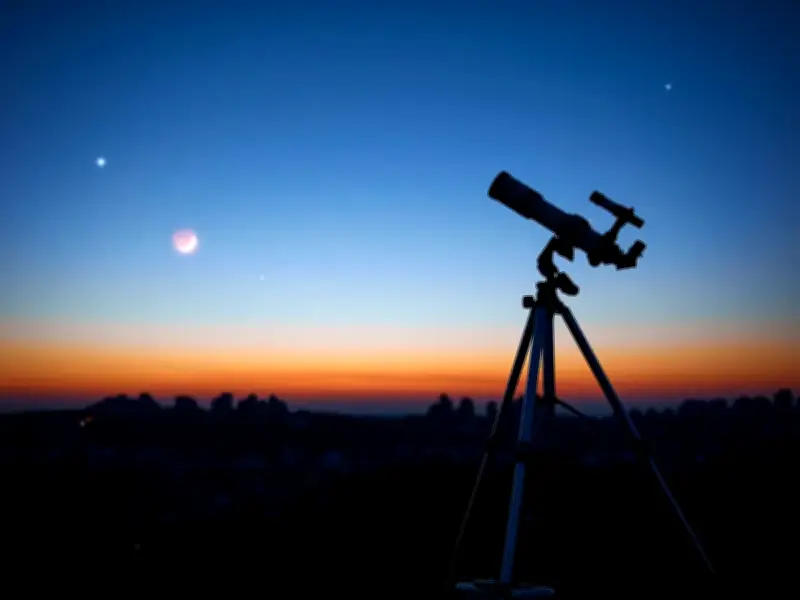
Astronomers have stated that the lunar eclipse is safe to observe with the naked eye, as there are no harmful UV rays from the sun to burn the eye's retina. Viewers can also use binoculars for a better look as the moon turns red in the Earth's shadow.
One potential challenge is that, due to the time of the eclipse in the UK, the moon will be very low on the horizon as it approaches setting. For the best view, observers should find a location with a clear view of the western horizon. Many Scots may also hope for clear weather, as cloudy conditions could make the event as underwhelming as the recent solar eclipse.