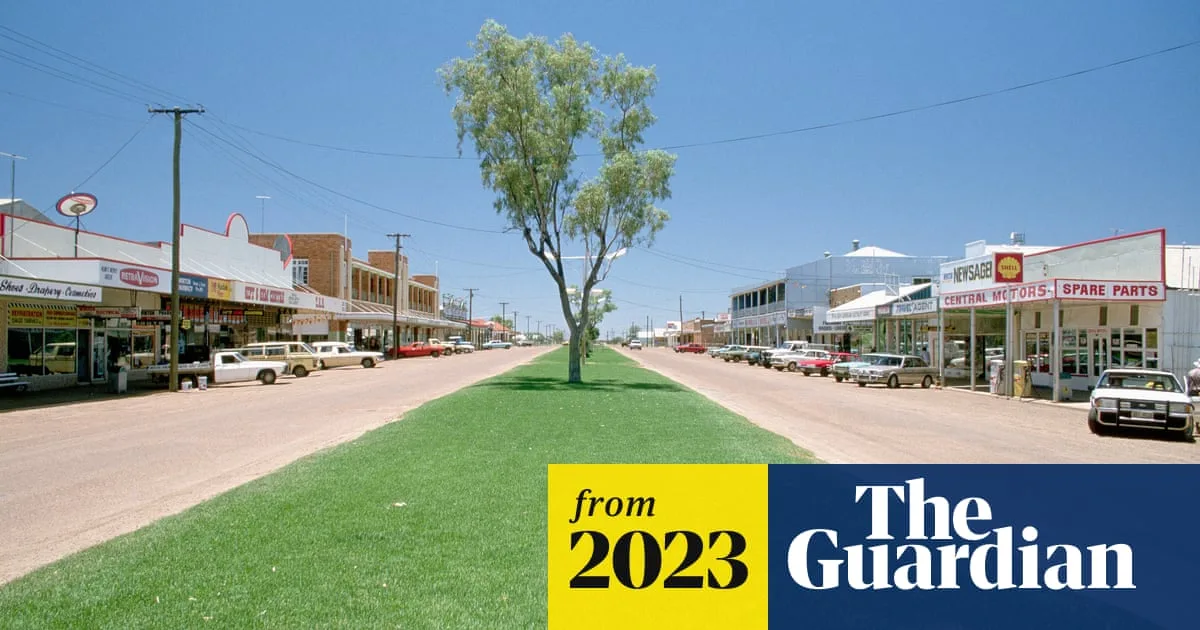
A viral theory about abandoning traditional lawn mowing has resonated across Australia, sparking a nationwide conversation about the role of grass in urban landscapes. The movement, which encourages homeowners to let their lawns grow wild, is gaining traction as a symbol of a broader shift towards more sustainable and native-friendly gardening practices.
In Sydney, a local council program allows residents to mark their verges with 'no mow' stencils, letting native grasses and groundcovers replace manicured turf. This small change reflects a larger renegotiation of Australians' relationship with their iconic green spaces, which have long been dominated by European-style lawns that require intensive watering, fertilisers, and pesticides.
Lawns have been a staple of Australian cities for centuries, originating from medieval European gardens where they signified wealth and order. Today, however, environmental concerns and water scarcity are prompting many to question the sustainability of maintaining monoculture grass. The viral theory suggests that allowing lawns to grow naturally can support local biodiversity and reduce resource consumption.
While the practice is still niche, advocates argue it represents a cultural shift away from the 'totalitarian rule' of manicured lawns, as described by author Michael Pollan. The movement is part of a broader revaluation of Australia's landscape, moving towards a more harmonious coexistence with native flora and fauna.