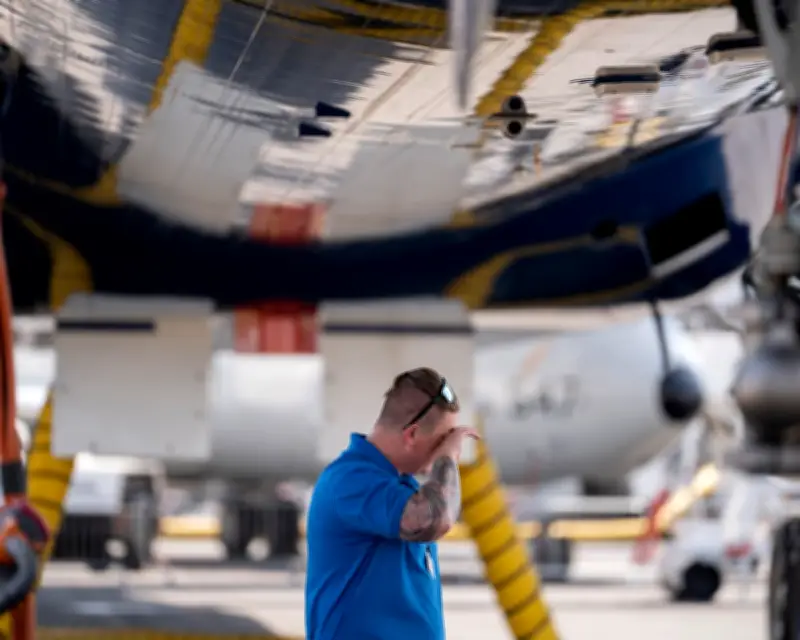
With temperatures in the UK reaching record levels for June, people are being advised to avoid exercise and unnecessary travel. But for many workers—from bus drivers to care home staff—avoiding the heat is not an option. Sectors across the economy are scrambling to adapt to increasingly frequent heatwaves driven by the global climate emergency.
Care Homes: Vulnerable Residents at Risk
About 500,000 people live in residential care homes in the UK, and older people are at heightened risk of illness or death in extreme heat. Responsible care homes have been preparing for heatwaves since early March, said Nadra Ahmed, chair of the National Care Association. Measures include deploying fans and air conditioners, setting up paddling pools, and offering ice lollies and cold fruit. Designated cool rooms and increased monitoring are also common, while outdoor trips may be cancelled.
However, the success of these measures may indicate how much has been learned from the 2022 heatwave, when temperatures exceeded 40C for the first time. Nearly 3,000 heat-related deaths occurred in England, mostly among those over 65. Deaths in nursing homes rose 34%, and in residential homes by 13%. A UK Health Security Agency review published two years later blamed an ageing care estate ill-equipped for extreme heat, with inadequate cooling systems. A Climate Change Committee report last month concluded the care sector was underprepared, proposing a target that by 2040 all care homes maintain indoor temperatures between 16C and 26C.
Schools: Keeping Open Amidst the Heat
School leaders in the swathe of England and Wales affected by extreme temperatures are drafting and redrafting plans to keep schools open. About 300 schools in Somerset, Gloucestershire, and Buckinghamshire are closing on Wednesday and Thursday, while others try everything to stay open. Walton High School in Stafford, on the fringe of the red warning zone, has told pupils they can wear sports kit all week, but its main buildings date from the 1960s and lack air conditioning. Deputy headteacher Jo Rowley said even fans provide little relief, and the catering kitchen is a pressure point. The Department for Education’s position is that schools in England should remain open even in hot weather. Rowley noted it is lucky the heatwave arrived after GCSE and A-level exams, but added, “We’re dodging a few bullets, but I’m not sure how much longer we can keep dodging.”
Hospitals: Dilapidated Infrastructure Struggles
Extreme heat is a major risk for healthcare in the UK because NHS infrastructure is generally ill-equipped. Air conditioning is not routinely installed, windows often do not fully open due to safety locks, and rooms have poor ventilation. This week, NHS trusts enacted extreme weather plans, but some, like University Hospital Southampton, warned emergency departments were extremely busy with rising temperatures. About 90% of England’s hospital buildings are vulnerable to overheating, according to the UK Health Alliance on Climate Change. Ciarán Devane, chief executive of the NHS Alliance, said, “Years of underinvestment means much of the NHS estate is too dilapidated, outdated or ill equipped to deal well with heatwaves.” He called for urgent funding to equip NHS estates for the future.
Restaurants and Food Merchants: Spoilage and Adaptations
In restaurant kitchens, heat is relentless. Will Beckett, owner of Hawksmoor steak restaurants, said staff use walk-in fridges, wet flannels, and frozen bandanas, but ultimately “we serve steaks or we close.” Juliane Caillouette Noble, chief executive of the Sustainable Restaurant Association, noted some restaurants are closing at 3pm or stripping back menus. Market traders face spoilage; Joe Harrison of the National Market Traders Federation said, “Chocolate isn’t going to work in 40C,” and fruit and vegetable spoilage will increase significantly. Riverford, the organic delivery company, is delivering before 6am, and in Hampshire, workers harvesting crops in polytunnels start at dawn because by 8am tunnels are too hot, said Zac Goodall, head of sustainability.
Zoos: Keeping Animals Cool
Zoos use tactics from ice lollies laced with blood for big cats to chilled cooling mats for mammals with heavy fur. David Gibson, chief executive of Dartmoor Zoo, said animals adapted for cold climates, like Dragan the Amur tiger, struggle. Hannah Windross of Bristol Zoological Society said red pandas get cooling mats, and misting systems are used in the tropical house. The charity is selecting animals comfortable in the UK’s future climate, having stopped caring for penguins and now looking after cherry-crowned mangabeys. Chris Wilkinson of Noah’s Ark Zoo Farm said lions are partial to blood lollies, and staff sheared sheep and alpacas before the hot weather.
Transport: Dangerous Conditions for Drivers
Poorly insulated drivers’ cabs in trains and buses are proving problematic in hot weather, posing safety hazards. According to Unite, heat affects drivers’ health and wellbeing, increasing fatigue and reducing concentration. Many cabs have air cooling rather than air conditioning, and both systems often fail. A bus driver speaking anonymously said, “It’s 50-50 whether I get a bus with air con working.” Aslef, the train drivers’ union, has called for a maximum working temperature, with 85% of members reporting feeling too hot in the cab. A small minority admitted that dizziness or trouble concentrating had led them close to passing a signal at danger.
Construction: Calls for Work Bans
Unite, representing tens of thousands of construction workers, is calling for a maximum working temperature of 27C for strenuous jobs, with work stopped altogether under red alerts. Jason Poulter, Unite’s national officer for construction, said, “When it gets to 35C-plus, people should be sent home. If you can’t take your dog out for a walk, you shouldn’t be expecting workers to go out either.” Many builders continue working; one decorator behind the high court in London said, “No one has told us to take it easy… If anything we had to speed it up.” Unite notes construction workers are particularly vulnerable due to working outside in direct sunlight. Poulter added, “Heat kills. There’s a risk of skin cancer, heat exhaustion and heat stroke, so we need to take it seriously.”