Deadly Avalanches Not Uncommon in California Mountains Where Skiers Died
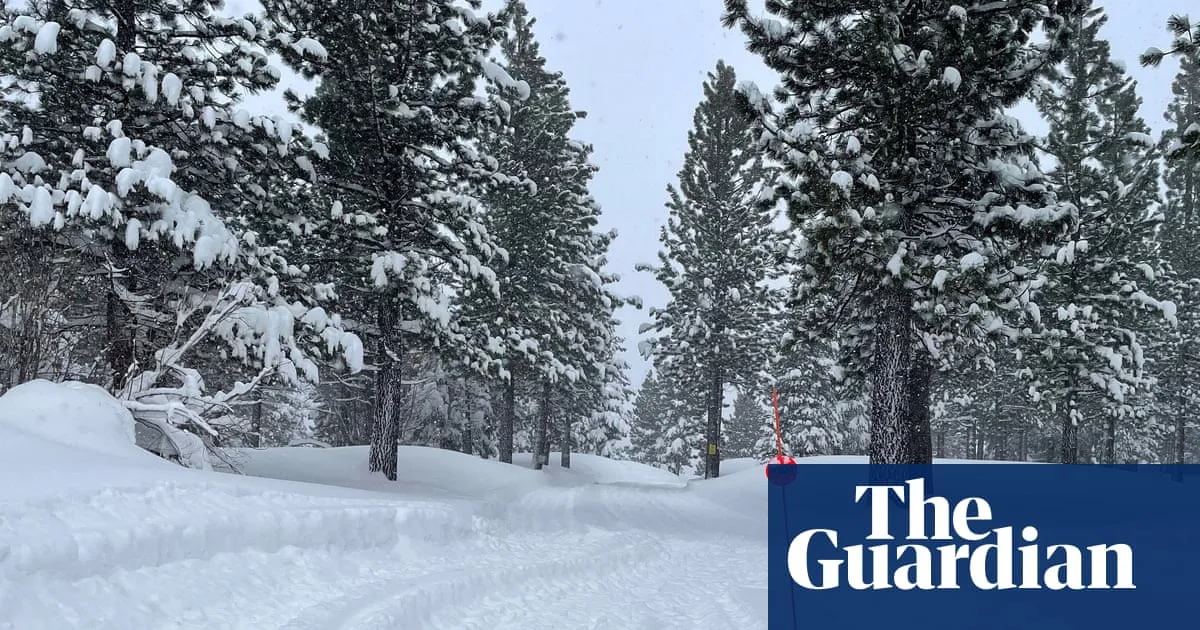
The avalanche that killed at least eight skiers in California's Sierra Nevada mountains occurred in the Castle Peak area, near Lake Tahoe – a region where deadly avalanches are far from rare. According to the Sierra Avalanche Center, which provides forecasts for this area, at least 50 avalanches have been observed near Lake Tahoe since September 2025. The National Avalanche Center, which maintains a map highlighting locations with the highest avalanche danger, currently rates the Lake Tahoe area as having particularly elevated risk.
High Avalanche Risk and Historical Fatalities
As of Wednesday, the region ranks a four out of five on the North American Public Avalanche Danger Scale, placing it among the areas with the greatest avalanche risk in the United States at this time. People have died in avalanches in the Lake Tahoe area in six out of the past ten years. Most recently, a snowmobiler was killed earlier this year when an avalanche occurred in the same area near Castle Peak. In February last year, a backcountry tourer died on Powderhouse Peak, as reported by the Colorado Avalanche Information Center.
Other fatal incidents include January 2024, when two riders were caught in an avalanche on KT-22 in the Sierra Nevadas, resulting in one death, and March 2021, when one snowmobiler was killed in an avalanche near Frog Lake Cliffs, north of Donner Pass. Additional deadly avalanches struck the area in 2020, 2018, and 2016.
Notable Historical Avalanches and Backcountry Dangers
Perhaps the most well-known avalanche in the region was the Alpine Meadows Avalanche of 1982. That March, a wall of snow crashed into the Alpine Meadows ski resort, killing seven people. Although the resort had closed due to weather, four employees who had remained on site were among the dead. The incident was memorialised in the film Buried: The 1982 Alpine Meadows Avalanche and the book A Wall Of White by Jennifer Woodlief.
Avalanche deaths are more likely to occur in the backcountry than within a ski resort. Last year, the Colorado Avalanche Information Center recorded 19 avalanche deaths across the US in the backcountry during the 2024-2025 ski season. Although avalanches are not uncommon in the Sierras, the death toll of Tuesday's avalanche makes it among the deadliest in US history.
Ranking Among Deadliest US Avalanches
The deadliest avalanche in US history occurred in Wellington, Washington in 1910, when an avalanche swept two passenger trains into a gorge, killing 96 people. The second deadliest took place in 1898 in Chilkoot, Alaska, when snow slides killed about 65 people during the Klondike gold rush. The third highest death toll due to an avalanche was recorded in 1981 after an avalanche on Ingraham Glacier swept down Mount Rainier, killing ten. The avalanche on Castle Peak on Tuesday is now the fourth deadliest in US history.
Scientific Explanation of Avalanche Formation
Avalanches can occur when fresh snow falls on an area where snowfall has already been packed into an icy layer. Nathalie Vriend, associate professor of thermo fluid sciences at the University of Colorado Boulder, explained in an article for the Conversation: "When snow falls, it's a fluffy crystal structure. But when the temperature rises and the snow starts to melt and then refreezes, it turns more granular. That granular, icier snow is a weak layer. When a new snowfall dumps on top of it, the grains in the weak layer can shear, creating a surface for an avalanche to slide on."
Tuesday's avalanche "resulted when a persistent weak layer" was covered in a "large load of snow", Chris Feutrier, forest supervisor of the Tahoe national forest, said at a press conference on Wednesday. He noted that this weak layer remains and has reloaded with another three feet of snow, continuing to pose a significant threat.