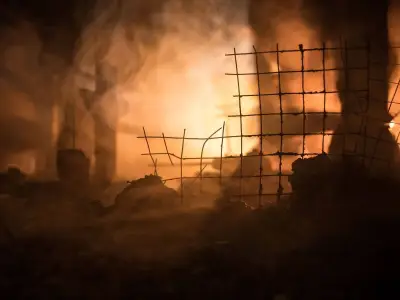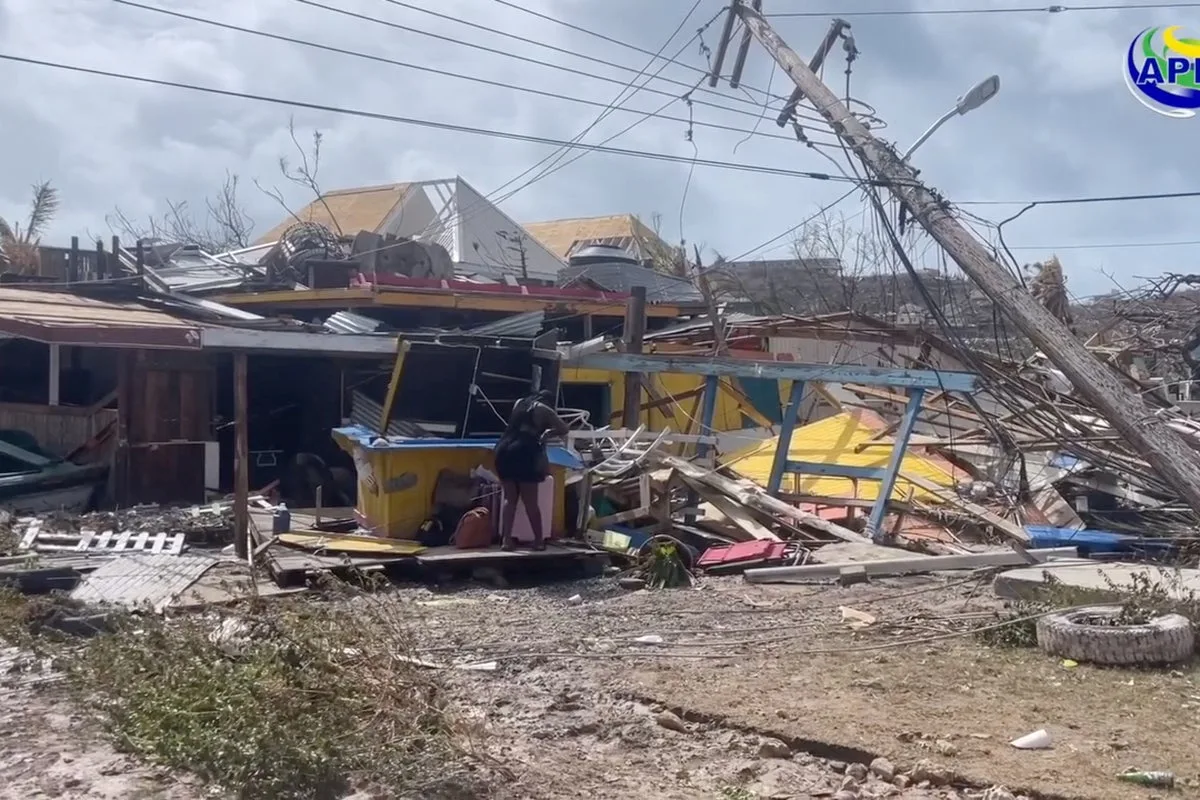
Hurricane Beryl has claimed seven lives and caused near-total destruction on two islands of Grenada as it continues its westward march across the Caribbean. The storm, which became the earliest category 5 hurricane on record, has left a trail of devastation that is only now becoming clear as local authorities begin assessments.
Prime Minister Ralph Gonsalves of St Vincent and the Grenadines reported that on Union Island, 90 per cent of homes have been severely damaged or destroyed. Grenadian Prime Minister Dickon Mitchell described Carriacou and Petite Martinique as having sustained maximum damage, with Carriacou “flattened” and more than 98 per cent of buildings damaged, including the main health facility and airport.
“There’s no power and there’s almost complete destruction of homes and buildings on the island. The roads are not passable,” Mr Mitchell said. Two of the three deaths in Grenada were recorded on Carriacou, with fears that more fatalities may be discovered as access improves. Three people also died in Venezuela and one in St Vincent.
The hurricane destroyed crops and vegetation, with Mr Mitchell noting that “there is literally no vegetation left” on Carriacou. Beryl's unprecedented intensity so early in the season—driven by exceptionally warm Atlantic waters due to global heating—has raised alarm about the remainder of the hurricane season.
Climate and agriculture expert Steve Maximay told The Independent: “When you talk about category four and five, there are very few systems or protocols that can prepare you for that.” Mr Mitchell called Beryl a direct result of the climate crisis, and the Alliance of Small Island States urged the world to end its “obsession” with fossil fuels, stating that small island nations continue to be “sacrificed” despite not causing the crisis.