A powerful series of winter storms has swept across the United States, dumping heavy snow and bringing severe weather conditions that have disrupted daily life for millions. The severe weather events, unfolding from Thursday into the weekend, have triggered widespread travel warnings, school closures, and power outages.
Storm Systems Bring Widespread Disruption
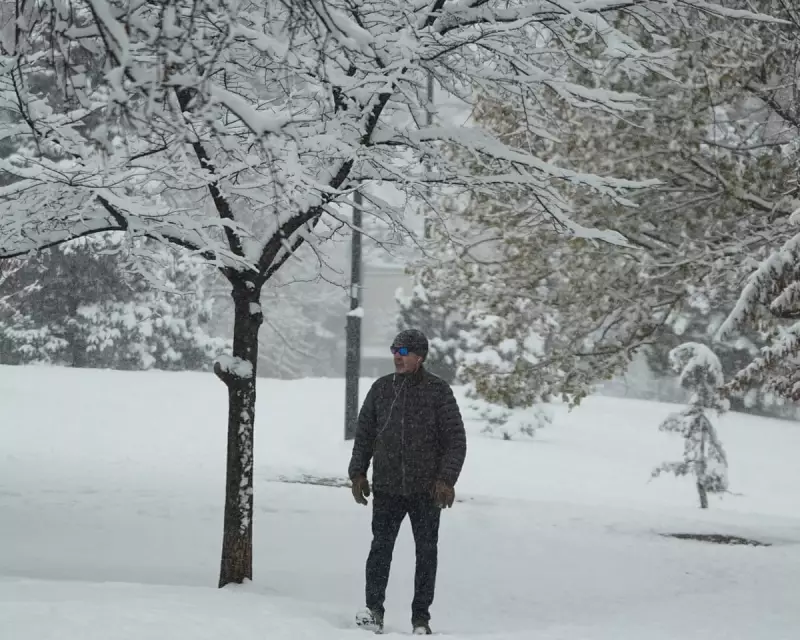
The first significant weather system moved across the Midwest on Thursday, 5th December, delivering a substantial blanket of snow. Key states affected included Iowa, Wisconsin, and Illinois. Meteorologists reported that some areas saw snowfall totals reaching between 15 and 30 centimetres (6 to 12 inches). The heavy snow, combined with strong winds, led to dangerously low visibility and treacherous road conditions, prompting officials to urge residents to avoid unnecessary travel.
As this initial system progressed, a second, more potent storm developed. This follow-up weather event was forecast to impact the Northeastern United States from Friday into Saturday. The National Weather Service issued winter storm warnings for a vast area, anticipating significant snow accumulations, potential ice, and powerful wind gusts.

Transport Chaos and Safety Warnings
The immediate impact of the severe winter weather has been profound on transport networks. Hundreds of flights were cancelled or delayed at major airports across the affected regions, including Chicago's O'Hare International. Highway patrols reported numerous accidents and stranded vehicles, with emergency services working tirelessly to respond to incidents.
Local authorities and the National Weather Service have consistently emphasised the risks associated with the storms. Key warnings have focused on:
- Life-threatening travel conditions due to snow-covered roads and whiteout visibility.
- The potential for power outages caused by heavy, wet snow weighing down power lines and tree branches.
- Rapidly falling temperatures following the snowfall, increasing the risk of hypothermia and frostbite.
Broader Weather Patterns and Context
These disruptive storms are part of an active and shifting winter weather pattern across North America. The conditions have been influenced by a southward dip in the jet stream, channelling colder air from Canada into the central and eastern US. This pattern is typical for December but the intensity of these successive systems has been notable.
While the Midwest and Northeast grapple with snow, other parts of the country have faced different extremes. In stark contrast, regions in the southern US have experienced unseasonably mild temperatures. Furthermore, the storm track has also generated a risk of severe thunderstorms, including isolated tornadoes, in the southeastern states, highlighting the diverse and powerful nature of this widespread weather event.
Residents in the storm's path are advised to stay informed through official weather channels, prepare emergency kits, and heed all travel advisories. Utility companies have crews on standby to address any power failures as the winter storms continue to unfold.