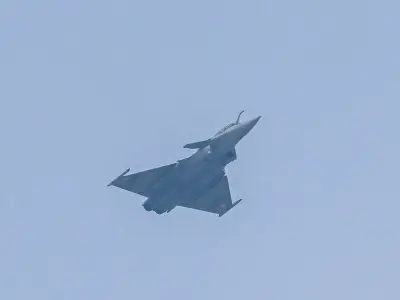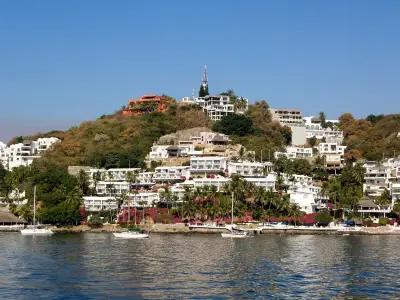
As the Airbus banked for its final approach, the huge wrinkled island of Rhodes lay below, its ochre peaks draped with long gullies like underfed lions cooling in an azure sea. The intoxicating aroma of night-scented oleander flowers hit as we exited the airport.
Ancient History, Modern Comfort
Rhodes, the largest of Greece's Dodecanese islands, sits below the western Turkish coastline. Its history includes Dorians, Romans, Ottomans, Knights of St. John, Turks, and Italians; now it is firmly Greek. It remains one of the country's most popular tourist destinations.
The five-star all-inclusive Princess Andriana resort offers a place for the truly weary: no cooking, no organising, no childcare, and minimal thinking. It has seven restaurants, eight bars, a gym, waterpark, tennis courts, amphitheatre, beach, and spa.
Village Life and Local Flavours
Driving through mountain hairpins past ravines and gin-clear rivers, we reached Apollona in the foothills of Mount Profitis Ilias. At a traditional bakery run by village women, we tasted melikuna (sesame, honey, and secrets), spoon-sweet jams, floral honeys, and fried pastry with honey and nuts. I bought Tsipouro (Souma), a fiery white brandy, and Trachana, a crumbed savoury porridge.
Our guide Addy led us through the village, pointing out lemon verbena, mulberry, peach, carob, and avocado trees. Most houses have allotments and external bread ovens for slow-cooking goat during Michaelmas.
At the family-run Piperis winery, we sampled dry to sweet whites, rosés, and reds, some oak-barrelled. Greek wines have long been a favourite, and these met expectations. I left with more bottles than I could carry, my twin boys helping.
Cooking and Dining
At Yiarenis Taverna, we learned to make dolmades, tzatziki, and cheese pies. Lunch began with our creations, followed by a hefty goat stew, while cats' tails stroked our legs. Afterwards, we visited a former men's coffee shop, Kapenion, filled with Turkish rugs, taxidermy, and mid-century ephemera, sipping thick, sweet coffee under a huge holm oak.
Back at the hotel, the kids enjoyed the waterpark while my wife and I dined at Moonlight Restaurant, with 360-degree views of sea, mountains, and stars. Alternatively, a beachside barbecue restaurant offered expertly seared meats and vegetables.
Exploring the Coast and Wildlife
The next day, we drove through central mountain ridges past olive groves, black goats, and red earth. The northeast is more rugged, with fishermen and a slower pace. At Bluetopia, a family-run fish farm turned ecotourism spot, we met marine biologists. A mile offshore, five curious bottlenose dolphins danced on our bow wave and jumped in twisting arcs. Snorkelling among sea bream farms, we saw parrot fish, damsel fish, and blue star fish.
Speedboats took us northwest to Alimia, an island with a monastery, chapel, and abandoned village. One of its two inhabitants, Kostas, rebuilt the monastery during lockdown and now acts as guardian. He grilled red sea bream over olive wood; his girlfriend Mina made salads. We sat under olive trees, drinking cold Assyrtiko white wine. On the way back, one son said, 'I think that may have been the best day of my life.'