England faces a “medium risk” of drought this summer, the Environment Agency (EA) has warned, after the country experienced its driest start to spring in over 60 years. The period from February to April was the driest since 1956, with rainfall in April down 50 per cent on the long-term average. Parts of northern England, including Cumbria and Northumbria, saw the driest start to the year since 1929.
The Met Office’s 14-day forecast predicts mostly dry and sunny conditions, raising concerns that water companies may impose hosepipe bans. Thames Water chief executive Chris Weston told MPs the company was preparing for potential shortages but could not rule out restrictions. “I am confident we won’t run out of water, I’m not confident we won’t have to restrict usage,” he said.
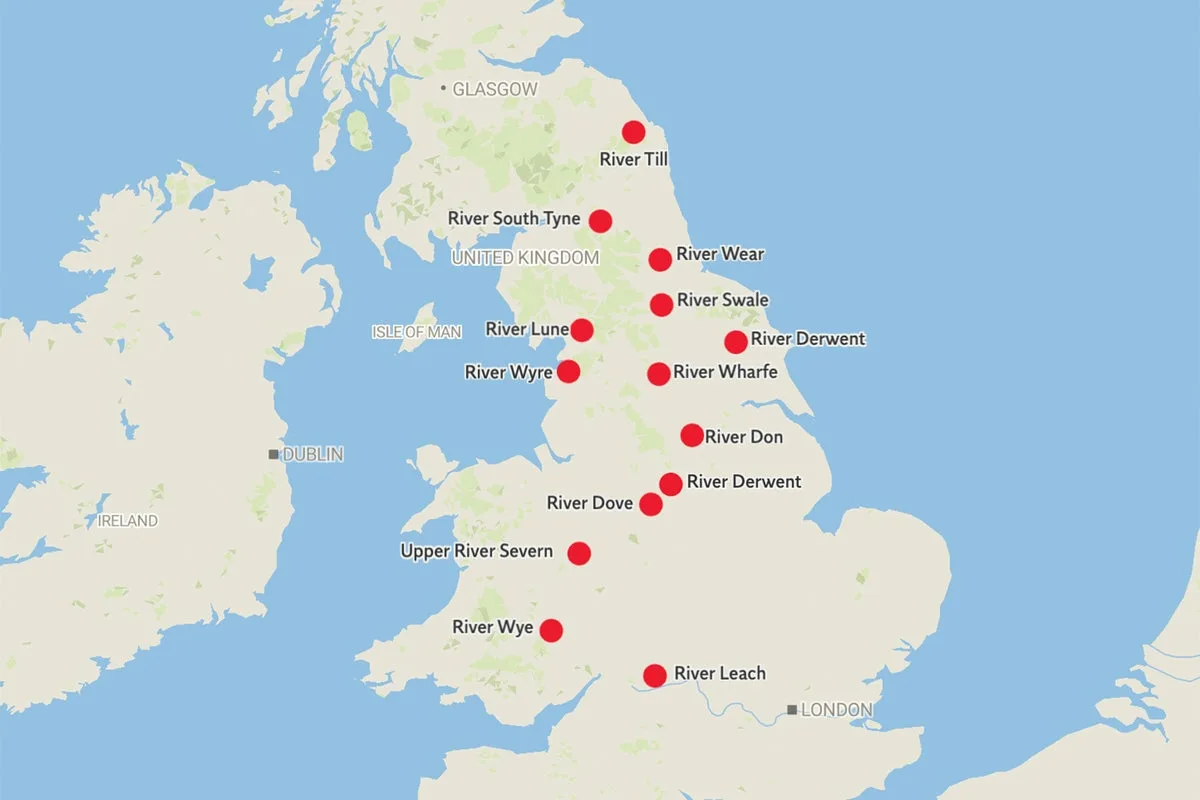
River flows are normal in southeast and eastern England, where Thames Water operates, but are lower than normal in central and northern England. Fourteen monitoring sites, mainly in the north, reported “exceptionally low” river flows for this time of year, including the Don in South Yorkshire and the River Swale in North Yorkshire.
England’s overall reservoir storage stood at 84 per cent at the end of April, lower than during the drought summer of 2022. In northwest England it was 73 per cent, while Haweswater and Thirlmere reservoirs in Cumbria were at 62 per cent due to low river levels and planned maintenance.
Industry body Water UK said companies were repairing leaks and moving water across regions. Although no ban has been enforced yet, customers are urged to make small changes to conserve water. A hosepipe ban would prohibit using a hosepipe for watering gardens, filling paddling pools, or washing cars.