Lyrid Meteor Shower Peaks This Week: A Guide for Skywatchers
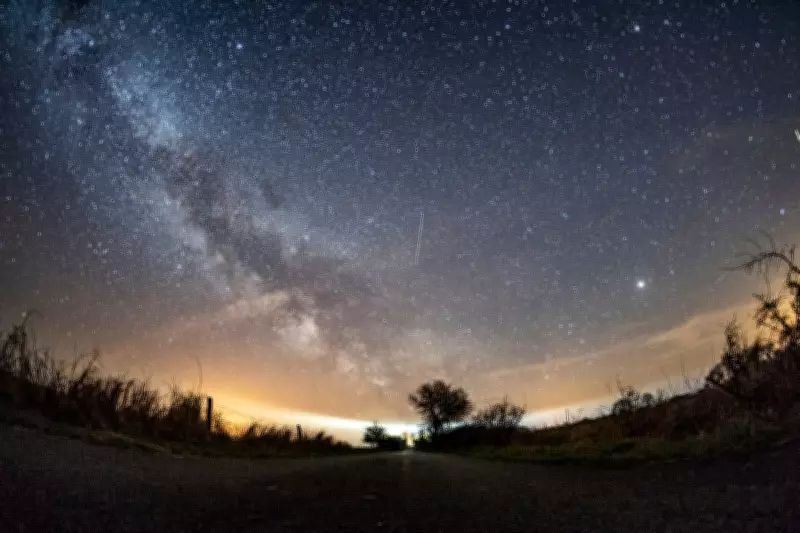
The Lyrid meteor shower is currently active and will reach its peak intensity in the coming days, offering a spectacular display of fiery streaks across the night sky. According to NASA, observers can expect to see between 10 and 20 shooting stars per hour during the peak, which is forecast for Tuesday night into Wednesday morning.
Optimal Viewing Conditions and Global Visibility
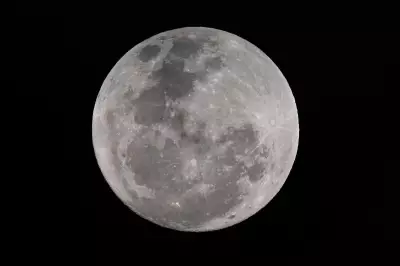
This year's Lyrid shower benefits from favourable lunar conditions, with a dim crescent moon setting before the meteor activity begins, ensuring minimal light interference. The celestial show will be visible worldwide, but the best views are anticipated in the Northern Hemisphere, where observers will have a clearer and more vibrant display.
Meteor showers occur when Earth passes through debris trails left by celestial objects, typically comets. As these particles enter the atmosphere, they heat up and create the luminous trails known as shooting stars. The Lyrids originate from comet Thatcher, an icy body that orbits the sun only once every 415 years.

Historical Significance and Viewing Tips
The Lyrids hold a distinguished place in astronomical history, with documented observations spanning more than 2,500 years, making them one of the oldest recorded meteor showers. While random meteors can be spotted on any night, predictable showers like the Lyrids offer a more concentrated and thrilling spectacle.
To maximise your chances of witnessing the Lyrid meteor shower, follow these practical guidelines:
- Venture outdoors after midnight, seeking locations away from urban light pollution and tall structures.
- Allow your eyes 15 to 30 minutes to fully adapt to the darkness, and avoid looking at bright screens like smartphones.
- Bring comfortable seating such as lawn chairs or a sleeping bag, and exercise patience as meteors may appear sporadically.
- Focus on the northeastern sky, as the meteors will seem to radiate from the constellation Lyra.
Looking Ahead to Future Celestial Events
Following the Lyrids, the next significant meteor shower is the Eta Aquarids, which will peak in early May. This shower is associated with debris from the famous Halley's comet, providing another opportunity for sky enthusiasts to enjoy a dazzling natural light show.