Lyrid Meteor Shower Peaks This Week: How to See the Celestial Display
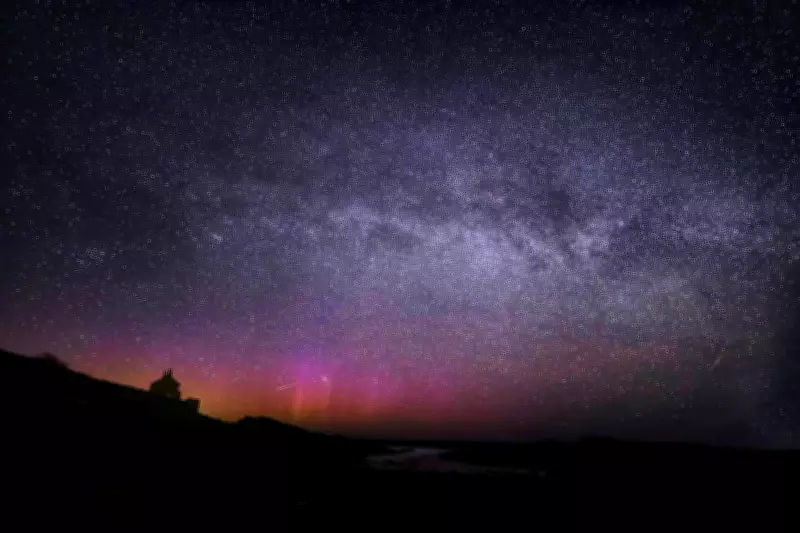
Skygazers across the globe are preparing for a breathtaking astronomical event as the annual Lyrid meteor shower reaches its peak intensity this week. According to NASA, observers could witness between 10 and 20 fiery streaks per hour illuminating the spring night sky during the shower's maximum activity from Tuesday night into Wednesday morning.
Optimal Viewing Conditions and Timing
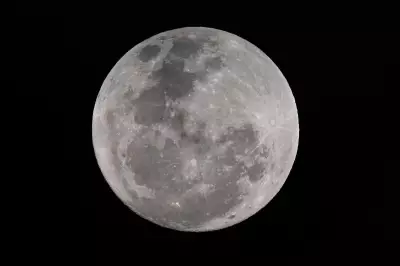
The celestial spectacle will be significantly enhanced by favorable lunar conditions, with a dim crescent moon predicted to set before the meteor shower truly begins its display. This creates ideal dark sky conditions for maximum visibility of the shooting stars. While the Lyrids are visible globally, the Northern Hemisphere offers particularly advantageous viewing opportunities due to atmospheric and positional factors.
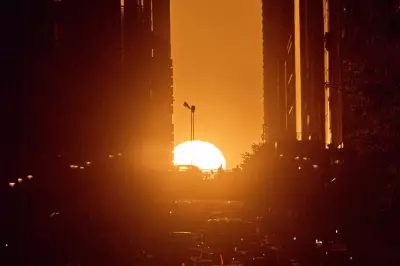
Royal Museums Greenwich recommends that enthusiasts venture outside after midnight, specifically during the early hours of Wednesday morning after the moon has set, with optimal viewing beginning around 2am. For the best experience, observers should find locations away from tall buildings and urban light pollution, allowing their eyes approximately 15 to 30 minutes to fully adjust to the darkness.

The Science Behind the Spectacle
Meteor showers occur when Earth passes through trails of cosmic debris left behind by space rocks during their orbital journeys. As these fragments enter our planet's atmosphere at high velocities, they ignite and vaporize, creating the luminous trails commonly known as shooting stars. The Lyrid meteor shower specifically originates from the remnants of Comet Thatcher, an icy celestial body that orbits the sun once every 415 years.
"We only get to see the actual comet once every 415 years. But we pass through the grains that have been left in its wake every year around the same time," explained Maria Valdes, a meteorite researcher at the School of the Art Institute of Chicago.
Historical Significance and Viewing Tips
The Lyrids represent one of humanity's oldest recorded meteor showers, with documented observations dating back more than 2,500 years. While random meteors can be spotted on any given night, predictable annual events like the Lyrids concentrate enough activity to create particularly memorable displays.
Astronomer Lisa Will from San Diego City College describes the visual experience: "A meteor looks like a trail of light in the sky. What you tend to detect is the motion against the background." The meteors will appear to radiate from the constellation Lyra in the northeastern sky, though they can be seen streaking across various portions of the celestial dome.
Practical viewing recommendations include:
- Bring comfortable seating such as lawn chairs or a sleeping bag
- Avoid looking at bright screens or phone displays during observation
- Exercise patience as meteor activity often occurs in bursts
- Allow sufficient time for your eyes to adapt to low-light conditions
The Lyrid meteor shower will remain visible through approximately 25 April, gradually diminishing in intensity after the peak period. Following this celestial event, stargazers can anticipate the next major meteor display in early May with the arrival of the Eta Aquarids, which originate from debris left by the famous Halley's comet.