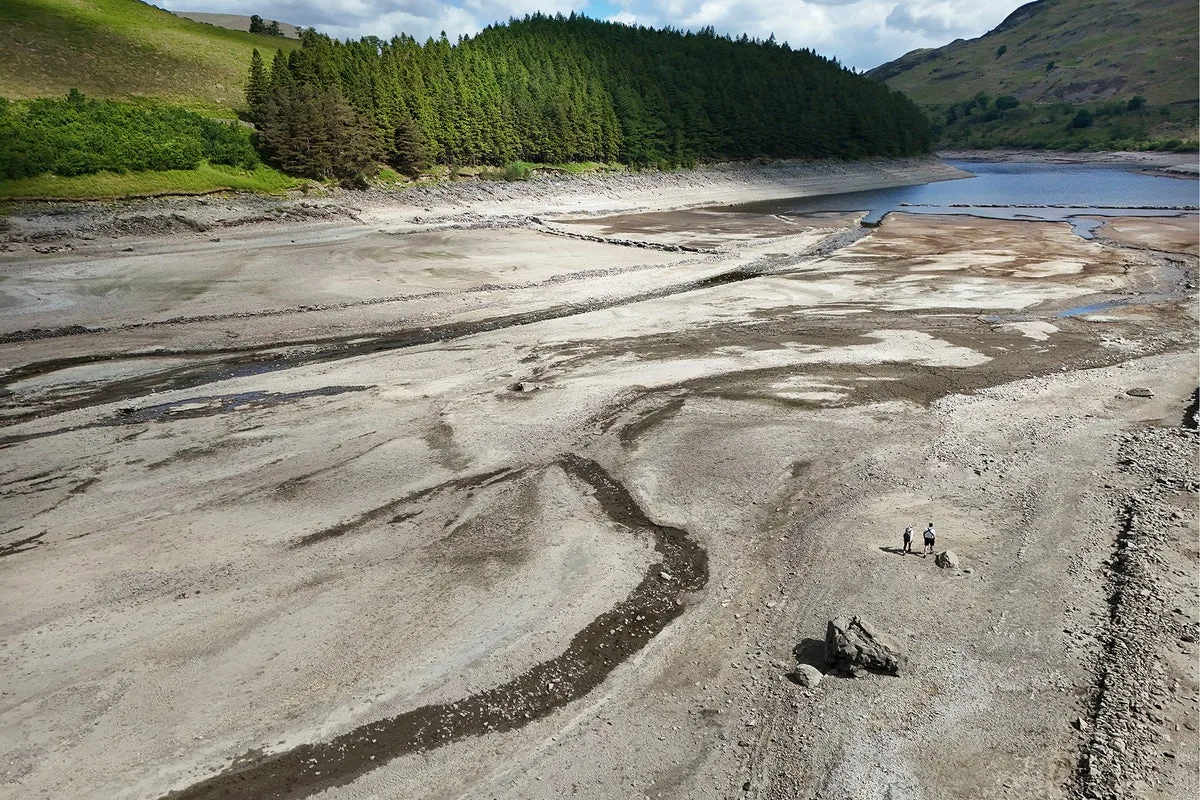
The East and West Midlands have officially been declared in drought, joining three other regions already affected, following one of the driest springs on record in the UK. The Environment Agency warned that millions more people could face restrictions this summer, with more hosepipe bans expected.
At a meeting of the National Drought Group on Tuesday, the agency confirmed that Cumbria and Lancashire, Yorkshire and Greater Manchester, and Merseyside and Cheshire remain in drought. Thames Wessex, parts of the Solent and South Downs, East Anglia, Lincolnshire, and Northamptonshire could be added in the coming months.
The Environment Agency said it is working closely with water companies, which are implementing their drought plans to maintain supply. Thames Water recently announced a hosepipe ban starting next Tuesday for customers in Oxfordshire, Gloucestershire, most of Wiltshire, and parts of Berkshire.
Stuart Sampson, drought manager at the Environment Agency, noted that the situation for farmers is deteriorating, with low irrigation reservoir levels raising concerns for the rest of the summer. Some farmers report poor crop quality and lower livestock yields, and fears grow over the impact on winter feed.
Will Lang, chief meteorologist at the Met Office, said July is likely to bring more changeable weather with sporadic rainfall and hot spells. For the longer term, he indicated no strong signal for very dry or extremely wet conditions, with near-average rainfall the most likely outcome.
In Yorkshire, police urged the public not to contact them about hosepipe ban violations but to report them to Yorkshire Water instead. Chief Superintendent Tracy Bradley of Humberside Police said such calls could divert resources from emergencies.