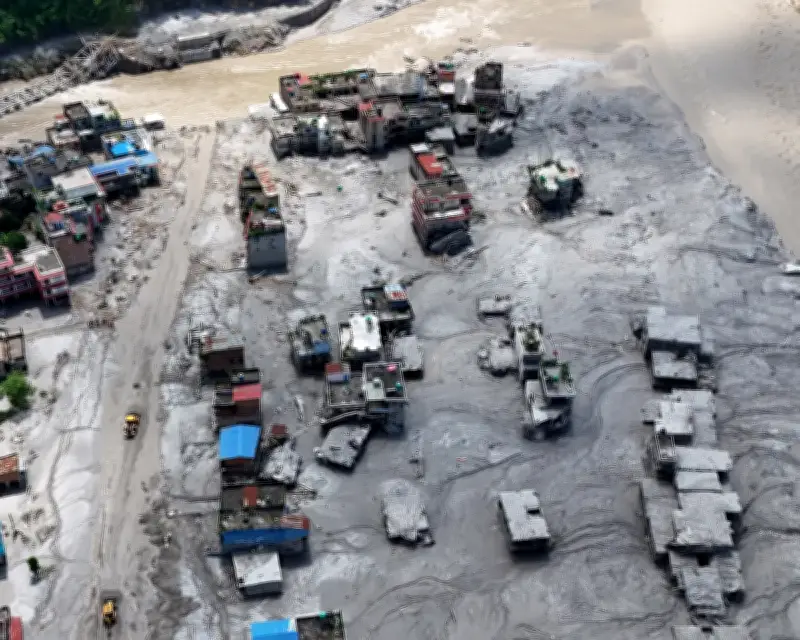
Flash floods triggered by heavy monsoon rains have devastated communities in Nepal and Tibet, killing at least 87 people and displacing more than 20,000. Aid convoys have now reached the hardest-hit remote mountain villages, delivering essential supplies including food, tents, and medicine.
Scope of the Disaster
The floods, which began on August 25, swept away homes, bridges, and roads across the Himalayan region. In Nepal's Karnali province, entire villages were submerged, and rescue teams have been using helicopters to reach isolated areas. In Tibet, the flooding has affected several counties, with the worst damage reported in the Nyalam area near the border.
Humanitarian Response
The Nepalese government has deployed the army and police to assist in rescue and relief operations. The Tibetan authorities have also mobilised emergency response teams. International aid agencies, including the Red Cross, are providing clean water and sanitation facilities to prevent disease outbreaks.

Local officials report that the priority now is to provide shelter and medical care to the displaced. Many survivors have lost their livelihoods, with farmlands and livestock destroyed.
Challenges Ahead
The rugged terrain and damaged infrastructure are hampering relief efforts. Landslides continue to pose a risk, and weather forecasts predict more rain in the coming days. Authorities are urging caution and preparing for potential further evacuations.
Both governments have pledged to rebuild the affected areas and provide compensation to the families of the deceased.