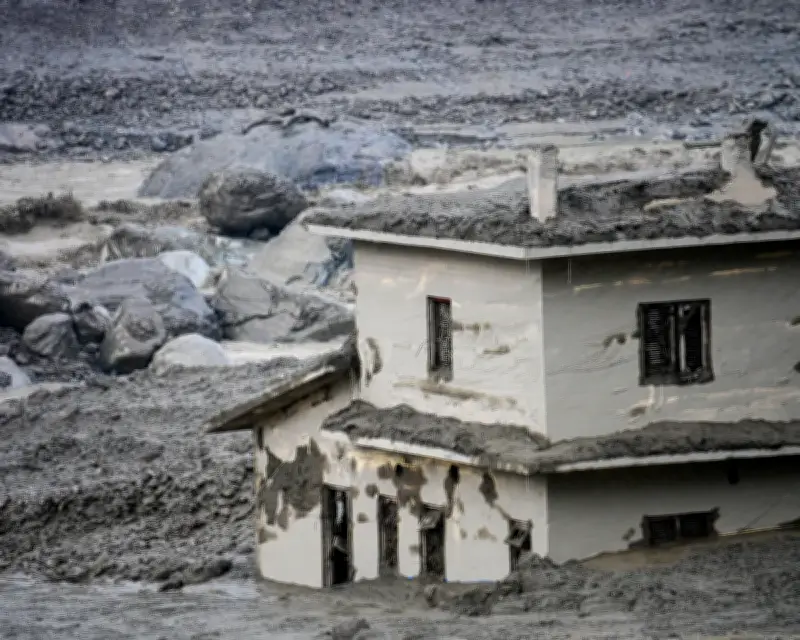
A catastrophic flash flood in Nepal and Tibet was caused by a glacier collapse, sending a deadly surge of water and debris downstream. The event has focused attention on the growing hazards posed by unstable glaciers in the high mountains of Asia.
What Happened
The flood struck suddenly, overwhelming valleys and settlements in its path. Eyewitness accounts describe a wall of muddy water and rock roaring down the river channels, catching residents and officials off guard. The surge damaged bridges, roads, and buildings, and left a trail of destruction across the affected areas.
Mechanism of a Glacier Collapse
A glacier collapse occurs when a large mass of ice breaks away from a glacier or ice cap, often due to meltwater accumulating beneath the ice or at the glacier's terminus. This can happen when rising temperatures destabilise the ice, causing it to detach abruptly. In this case, the collapse is believed to have released a massive volume of water and ice into the river system, triggering the flash flood.

Impact and Climate Link
The flood has raised urgent concerns about the impact of climate change on glacial stability in the region. Scientists have documented accelerating glacial retreat across the Himalayas and the Tibetan Plateau, with many glaciers becoming increasingly vulnerable to sudden collapse. The event underscores the need for improved monitoring and early warning systems to protect downstream communities from similar disasters in the future.