Once filled with warehouses and a key part of Liverpool's industrial makeup, Jamaica Street has gradually become one of the go-to places for tourists and locals to eat, drink and shop. Much like the surrounding streets in the 1950s, it was a typical industrial area. As the decades passed, many businesses closed, leaving the street largely derelict and almost unused.
Memories of a different time
Mark Hayes, owner of Red Berry Club on Jamaica Street, remembers the street before its post-noughties heyday. He told the ECHO: "I remember Jamaica Street when I was younger, it was very different. There was a lot of old trades. As kids there was a bit of hanging around Jamaica Street, because there was a lot of derelict buildings. There was certain parts of Liverpool that were a little bit more like a playground as opposed to residential areas. We were latchkey kids, we would use the streetlights to guide us home."
In the early 2010s, Hayes was looking to open a food truck, but that didn't materialise. Later, a friend suggested he look at Jamaica Street, and that conversation proved to be the turning point for opening Red Berry Club in 2017. He said: "When it first started, a few years before I came, you got local artists that took on spaces, and they really set the tone. And then your small independents came, and that's what really makes it special."
Creative studios find a home
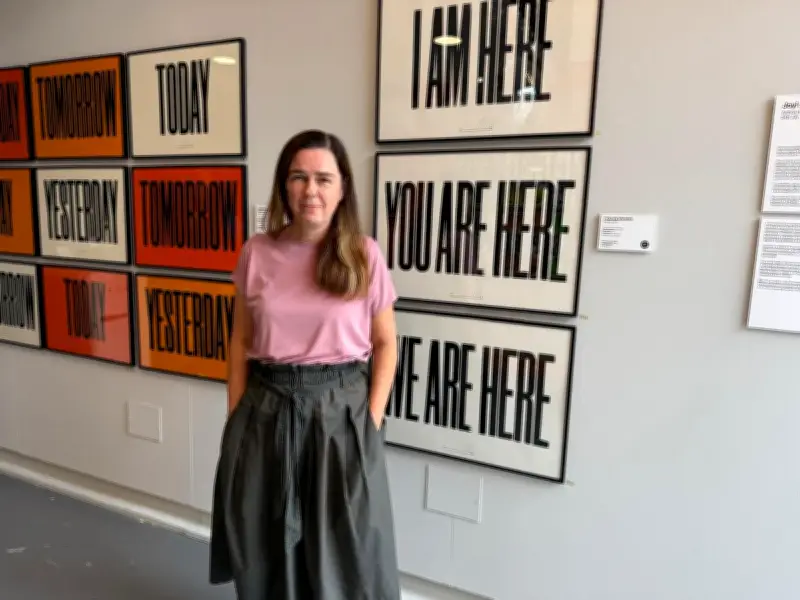
Just down the road is Alison Johnson, founder and director of Dorothy, an art and design studio. She said: "We're a design studio, but we don't work for clients. We design prints and products that we sell directly to customers. We have a studio gallery downstairs whereby we show not only our own work, but we also show other artists' and designers' work. And then upstairs is our working studio where we design the prints and products that we sell." Johnson said Jamaica Street instantly felt like the right place to open. She said: "I go to Amsterdam quite often, and I go across to the Noord [a town near Amsterdam], and the whole kind of DIY pop-up bars and creative studios that they have kind of reminds us a little bit of here [on Jamaica Street]."
A new retail experience
As the street continued its transition from near dereliction in the 80s and 90s, it took another major step towards its current revival in 2019 with the opening of Sevenstore. The store's manager, Graham Clooney, 45, said a major part of their ethos is to provide a shopping experience unlike what you might find in major shopping streets in the city centre. He said: "It's a little bit of an experience for people coming here, because it's something that you're not going to get on the high street. You get that higher service, we have quite a lot of exclusive brands in store like Stüssy and Maharishi, so we get that kind of customer that comes in for something a little different." The store has become more than just a place to shop for clothes. Clooney said: "We've had brand events in store that you wouldn't be able to do on the high street. We can close off downstairs and have DJ's, and turn it into a nightclub."
Community-led regeneration
A significant part of the area's regeneration since the turn of the century is down to Baltic Creative CIC, founded in 2009. The CIC owns a number of properties housing businesses like 92 Degrees and Dorothy's. Today, the CIC is headed by CEO Lynn Haime, 54, who works from their office on Jamaica Street itself. She said: "I think helping to make Jamaica Street what it is today, is something for Baltic Creative to be proud of, and how our involvement has kickstarted a much wider regeneration piece. I think even the continued growth is beyond our footprint and the buildings that we look after." Haime said it's impossible to pinpoint just one thing that makes the street what it is today. She said: "The street's such an amalgamation of culture and creativity, you've got street art, and the skate park, and we've got the younger people in studying at the Studio School across the way. It's just a full-on mix. We can see it all out of our shop window, and we see that transition on a Friday when the beer bikes start going past, and we know the weekend's starting to arrive, and it does switch slightly from the creative business community into the evening, nighttime economy. But I think that's the diversity of it all, no two days are the same. There's always something slightly mad going on."