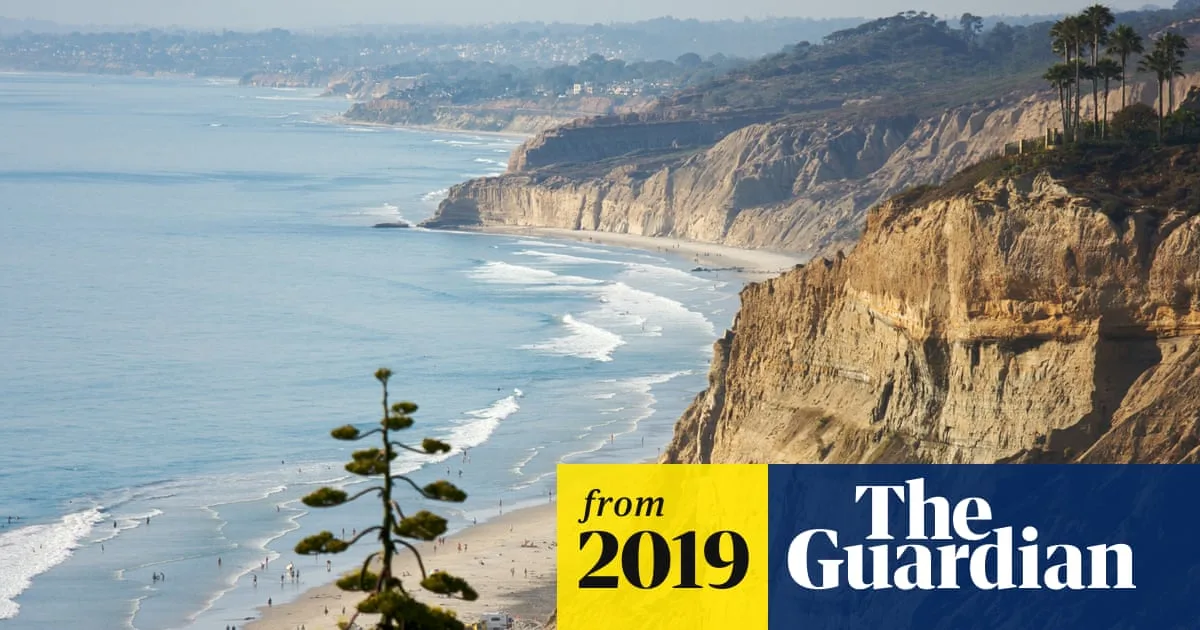
Three women were killed last week in Encinitas, California, when a cliff collapsed on them while they were sunbathing on the beach. The victims were Anne Clave, her mother Julie Davis, and her aunt Elizabeth Cox, who had gathered to celebrate Cox surviving cancer. The tragedy has drawn global attention to the state's worsening coastal erosion problem.
Nearly three-quarters of California's coastlines are actively eroding, endangering lives, homes, and infrastructure. Previous incidents include a 2017 cliff collapse in Santa Cruz County that killed a woman, and a 2019 landslide on a San Francisco beach that killed another beachgoer. Scientists warn that climate change will accelerate these events as sea levels rise.
USGS research geologist Patrick Barnard stated that sea level rise will double average erosion rates in southern California by 2100. Higher seas and more extreme storms will cause bigger waves that erode beaches and undercut cliffs. California could lose two-thirds of its beaches by the end of the century, with economic damage exceeding that from wildfires.
Coastal development exacerbates the problem by adding weight to clifftops and altering drainage. Seawalls intended to protect bluffs can accelerate sand loss. In Pacifica, homes were condemned after rapid erosion, and sections of Highway 1 have been closed or moved inland. Some communities are considering 'managed retreat'—buying out properties and relocating residents—but many towns resist, preferring to armour coastlines and replenish sand.
California Coastal Commissioner Sara Aminzadeh urged local leaders to accept that retreat is necessary. 'As time moves forward, we have less and less options,' she said. The commission is working to prepare for sea level rise, but some coastal towns, like Del Mar near Encinitas, remain defiant about moving back from the edge.