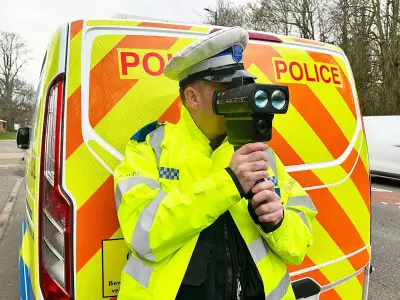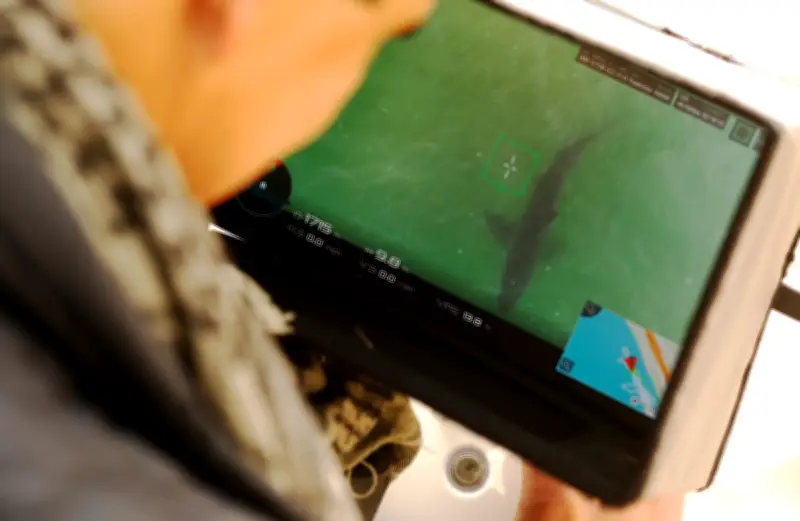
Drones are detecting more sharks at US beaches, but experts question whether they make the public safer. Increased sightings may not reflect a rise in shark numbers, and there is little evidence that the threat to swimmers has increased.
More Drones, More Sightings
Observers caution that the increase in shark reports could be due to more drones hovering over the water, not necessarily more sharks near shore. This perceived increase could incite irrational reactions from officials and beachgoers, especially since shark attacks remain rare. The result could be a spiral: governments receive more reports, purchase more drones, which then spot more sharks.
"The truth of the matter is, the number of sharks may not have increased, but certainly the fear factor can go up," said Greg Skomal, senior fisheries scientist with the Massachusetts Division of Marine Fisheries.
Shark Bites Remain Rare
The odds of being bitten by a shark are one in 4.3 million, according to the Woods Hole Oceanographic Institution. In 2025, there were 65 unprovoked shark bites worldwide, less than the most recent 10-year average of 72, reported the Florida Museum of Natural History.
New York's Investment in Drones
Despite the low threat, New York state continues to spend on drone monitoring. In 2022, Governor Kathy Hochul announced increased lifeguard staffing by 25% and additional drone purchases. In 2023, she announced $1 million for drones and training, deploying 60 drones. This year, the state spent $322,000 on 16 more drones, according to the New York State Office of Parks, Recreation and Historic Preservation.
"We're going to be harnessing the power of technology [and] the human capital of our lifeguards and making sure we're doing everything we can to literally take the bite out of any future shark encounters," Hochul said in 2023.
Limitations of Drones
Drones are effective at spotting sharks on the surface but have limitations. "The problem is, if visibility is bad, a shark can literally be 5ft below the surface, and you can't see them," said Chris Lowe, director of the Shark Lab at California State University, Long Beach. His lab uses tagged sharks and acoustic receivers for better monitoring.
"We always tell lifeguards, this is not an early warning system, this is a science tool," Lowe explained. He noted that in thousands of flights, his team has not seen any footage of a shark acting aggressively towards a person.
False Sense of Security
Since drones can't spot all sharks, they may provide a false sense of security, Skomal said. "I think that is why many municipalities don't invest in drones." Around Wellfleet, Massachusetts, great white sharks have emerged due to a rebound in seals. The town purchased drones for $6,000, but they work well only in clear water. Suzanne Grout Thomas, Wellfleet's retired director of community services, said sharks are intelligent and "don't want to eat people; they really want seals."
Beach Closures in New York
At New York state beaches, if a drone spots a shark, lifeguards clear the water. George Gorman, regional director at the state parks office, said they watch for large schools of baitfish as red flags. This year, the state cleared the water only after a suspected shark bite on July 3 at Jones Beach. At New York City beaches, police use drones to identify sharks and notify the parks department, which closes beaches for one mile in each direction for at least one hour. This year, shark sightings caused 23 closures at the Rockaways since late May, compared to 11 closures at that point last year and only 11 in all of 2024.
Officials must use drones judiciously, Lowe said. "Otherwise, you have a situation where people are afraid to go in the water."