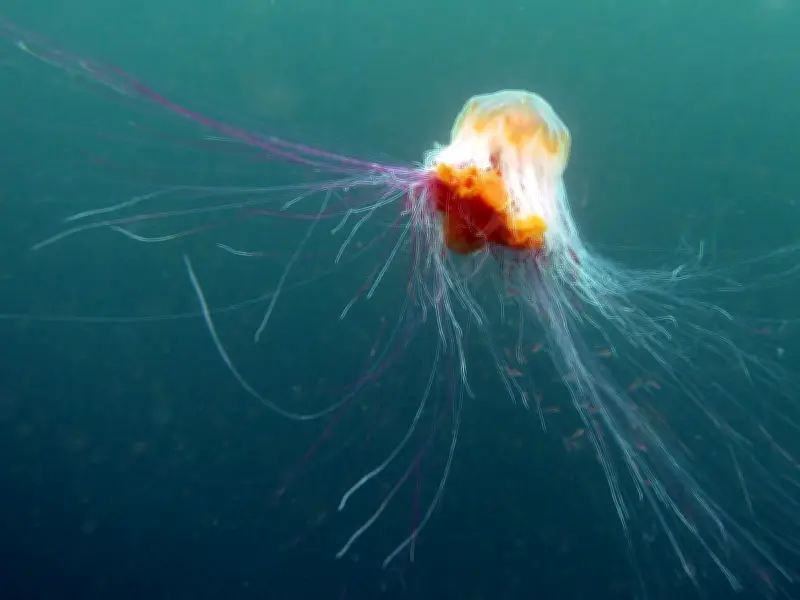
Thousands of giant lion's mane jellyfish, with tentacles stretching up to 120 feet, have invaded US beaches in New England, sparking panic among beachgoers. The gelatinous creatures have blanketed coastlines from the North Shore of Massachusetts to Cape Cod, Nantucket and Maine. Experts warn that even severed, dead tentacles can still deliver a painful sting.
Lion's Mane Jellyfish: The Culprit
The invasion is caused by the lion's mane jellyfish, the largest jellyfish species on Earth, according to the Smithsonian. They can grow up to 120 feet from top to bottom. Local outdoor specialists Great Marsh Kayak Tours in Eastham, Massachusetts, alerted the public after spotting thousands of the creatures clogging local waterways.
The company posted on social media: "Right now, Cape Cod is inundated with lion's mane jellyfish! Multiple thousands of them have gotten swept into the marsh with the tides."

Deadly Stings Even After Death
The marine giants do not need to be alive to cause harm. In response to the surge, local officials in Beverly, Massachusetts, issued an urgent warning: "Keep children and pets away from stranded jellyfish...Do not touch jellyfish or detached tentacles, even if they appear dead."
Their stings unleash powerful neurotoxins that can cause agonising welts, painful skin rashes, respiratory difficulties, and in extremely rare cases, can be fatal.
First Aid and Treatment
The Mayo Clinic advises that if stung, victims should immediately pull off any visible tentacles using fine tweezers. Then, plunge the affected area into hot water between 110°F and 113°F (43°C to 45°C) until the burning pain fades. Afterward, applying hydrocortisone cream can help soothe the skin.
Why the Invasion?
Scientists believe a perfect storm of warming sea temperatures, favourable wind and tidal currents, and abundant food in sheltered coastal waters has allowed the species to thrive before being dragged onto the sand. Marine experts fear this could be a warning sign of shifting ocean ecosystems.
Beaches Remain Open
Despite the invasion, local beaches remain open. A spokesman for the Boston Center for Youth & Families told the Swampscott Tides and WHDH: "Jellyfish are a natural part of the marine environment and their presence can vary with tides, currents and weather conditions. While beach operations remain open at this time, we encourage all visitors to remain alert and follow instructions from lifeguards and staff. If you experience a jellyfish sting or require assistance, please notify a lifeguard or staff member immediately."