Russia is gradually splintering its internet from the global network, with activists and experts warning of severe consequences for millions of users. Unlike Iran's abrupt shutdowns earlier this year, Russia's approach is piecemeal and opaque, marked by escalating mobile internet blackouts, traffic restrictions, and new blocks on Telegram, a messaging app vital for daily communication.
Data from the Open Observatory of Network Interference (OONI) shows Telegram increasingly blocked since 20 March, with probes across over 500 networks indicating widespread interference. Analysts at Amnezia VPN report access problems in more than a dozen regions, including Moscow and St Petersburg, describing the blocks as more sweeping and technically capable than previous efforts.
Ukrainian President Volodymyr Zelenskyy criticised the blocks, likening them to a step backwards. Russian authorities have suggested they may fully block Telegram from early April, with the head of Rostelecom stating that WhatsApp is 'dead' and Telegram will follow. Both could be replaced by a government-controlled domestic service, Max.
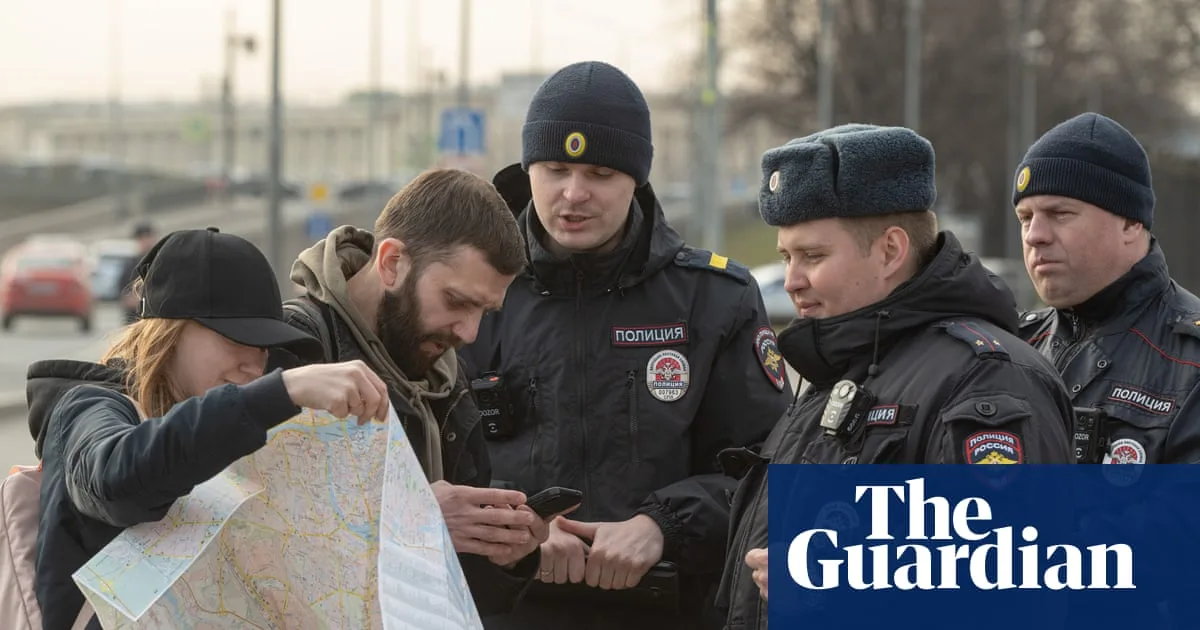
Mobile internet shutdowns have been ongoing for at least a year, with only a 'whitelist' of approved sites accessible. In early April, Moscow's city centre experienced a complete mobile internet blackout, disrupting banking and calls. Russian retailers report increased sales of pagers, paper maps, and mobile phones as people adapt.
Analysts say earlier outages were tests, implemented cautiously to minimise business harm. Now, updates are rolled out quickly, and Roskomnazdor is testing the economy under strict restrictions. Shutdowns in Moscow may become routine, and while home networks remain unaffected, authorities have the technology to extend restrictions.