Russia Escalates Tech Crackdown with Full WhatsApp Block
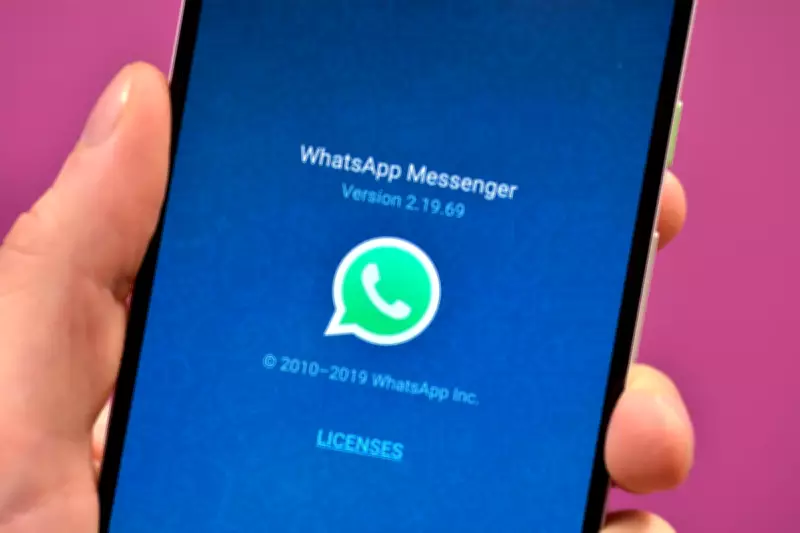
Russia has reportedly initiated steps to fully block Meta-owned WhatsApp across the nation, according to a company spokesperson. This drastic move marks a significant escalation in Moscow's ongoing efforts to tighten control over the internet and promote domestic technology platforms.
Promotion of State-Backed Alternative 'MAX'
The crackdown coincides with the active promotion of a state-backed messaging service named 'MAX'. Critics have raised alarms that this app could be used for extensive user tracking, allegations that have been firmly denied by state media as false. WhatsApp itself has characterized the impending block as a deliberate attempt by Russian authorities to funnel users towards what it describes as a "state-owned surveillance app."
A company statement affirmed, "We continue to do everything we can to keep users connected." The Financial Times previously reported that Russian authorities have removed WhatsApp from an online directory operated by Roskomnadzor, the state communications watchdog. The app is estimated to have approximately 100 million users in Russia.

Kremlin's Stance on Compliance
When questioned about the potential return of WhatsApp to Russia, Kremlin spokesperson Dmitry Peskov stated to TASS, "This is again a question of fulfilling the legislation. If the Meta corporation fulfils this and enters into dialogue with Russian authorities, then we have the possibility of reaching an agreement." He added a stark warning, "If the corporation (Meta) sticks to an uncompromising position and, I would say, shows itself unready to align with Russian legislation, then there is no chance."
Broader Context of Internet Control
This action is part of a broader, intensifying dispute with foreign technology providers that has deepened since Russia's invasion of Ukraine in February 2022. Over the past year, Russia has been systematically tightening its grip on the internet. Last year, authorities began limiting some calls on WhatsApp and the messaging service Telegram, accusing these foreign-owned platforms of refusing to cooperate with law enforcement in cases involving fraud and terrorism. In December, Apple's video-calling app FaceTime was also blocked.
Telegram's Russian-born founder, Pavel Durov, has previously asserted the platform's commitment to protecting freedom of speech and user privacy. The impact of these restrictions extends beyond messaging. Mobile phone internet shutdowns, ostensibly implemented to thwart Ukrainian drone attacks, have affected dozens of Russian regions, leading to severe disruptions.
Real-World Consequences of Shutdowns
The consequences are profound and wide-ranging:
- Credit card payments fail for public transport services.
- ATMs frequently disconnect, hindering cash access.
- Parents of diabetic children report being unable to monitor blood glucose levels during outages, posing serious health risks.
This multifaceted crackdown represents a significant shift in Russia's digital landscape, prioritizing state control and domestic platforms over global services, with substantial implications for both everyday life and digital freedoms within the country.