All British passengers and crew aboard the MV Hondius are set to be evacuated from the Canary Islands in a race against time rescue operation, with plans to fly them back to the UK on Sunday before they undergo a 45-day quarantine at a hospital in Merseyside.
The MV Hondius, a cruise ship stricken by a hantavirus outbreak, is due to dock in Tenerife on Sunday morning. The evacuation must be completed within 24 hours to avoid delays caused by forecast bad weather. Rescue teams, including UK government staff, will immediately begin to evacuate up to 147 people, including 22 Brits, who remain onboard.
Arrowe Park Hospital, which previously housed returnees from Wuhan, China, at the start of the Covid-19 pandemic in early 2020, will accommodate the quarantined individuals. Wirral University Teaching Hospital Trust Chief Executive Janelle Holmes confirmed: "We have been asked by NHS England and the UK Health Security Agency (UKHSA) to house the guests, recognising how quickly and positively we responded to and supported the repatriation of British nationals from Wuhan and the Diamond Princess prior to the Covid-19 pandemic."
Evacuation and Repatriation Plans
As part of the operation, officials have organised a staggered evacuation using small zodiac boats with a maximum capacity of five persons. Once ashore, passengers will be transferred in “bubble buses” directly to Tenerife South Airport, where they will board specially-chartered government planes.
A UK Health Security Agency spokesperson stated: "FCDO and UKHSA teams will be on the ground to support these arrangements, bolstered by a Rapid Deployment Team sent from the UK. The FCDO is chartering a dedicated repatriation flight for British ship passengers and crew only. This flight will be free of charge."
The spokesperson added: "UKHSA is working with partners to ensure the flight operates under strict infection control measures. Public health and infectious disease specialists from UKHSA and the NHS will be on board to monitor British Nationals whilst on the flight, to ensure that preventative measures are in place and to provide any care in the unlikely event that any passengers become unwell on the flight."
Quarantine and Monitoring
All British passengers and crew will be asked to isolate for 45 days upon returning to the UK. UKHSA will closely monitor these individuals, with testing as required. A UKHSA spokesperson said: "All British passengers and crew on board the MV Hondius will be asked to isolate for 45 days upon returning to the UK and UKHSA will closely monitor these individuals, with testing as required."
Oceanwide Expeditions, operators of the vessel, confirmed: "No symptomatic individuals are present on board m/v Hondius. Guests and crew continue to follow the guidance of onboard medical personnel, and medical monitoring continues."
Background of the Outbreak
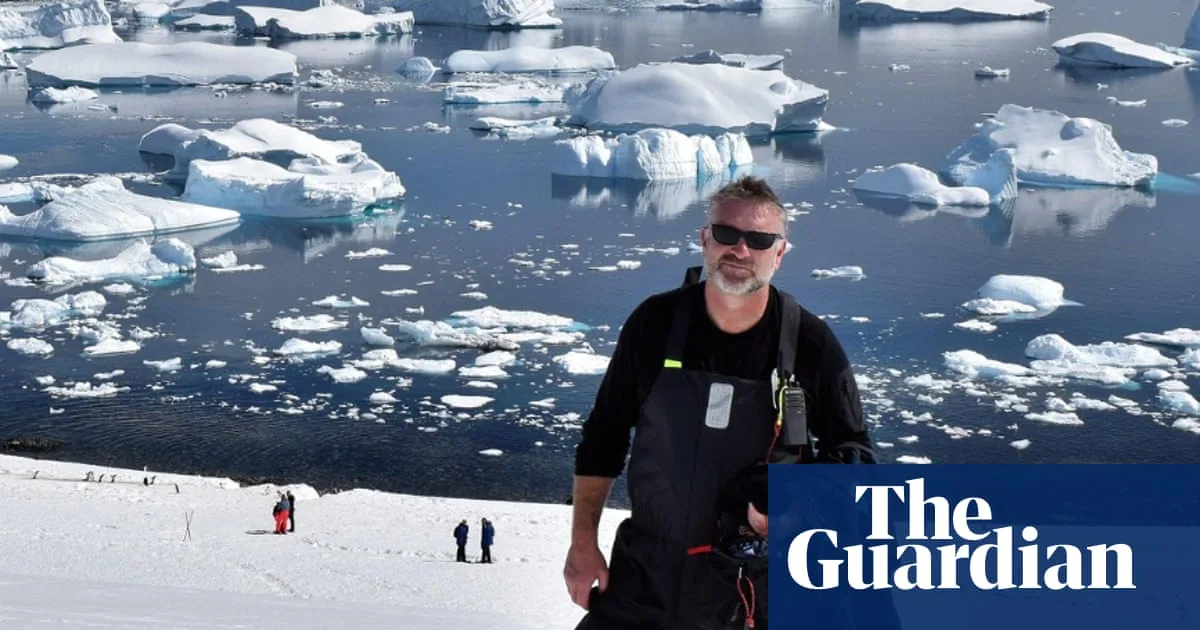
Three people have died since the £19,000-a-head Atlantic Odyssey cruise set sail from Argentina on April 1, including a married Dutch couple and a German national. The first two Brits to contract the deadly Andes strain of the virus—ship tour guide Martin Anstee, 56, and an unnamed 69-year-old man—are being treated in hospitals in the Netherlands and South Africa.
On Friday, it was announced a third British national who had been a passenger on the ship is also suspected of being infected with hantavirus. They are in quarantine on the island of Tristan da Cunha, a remote British overseas territory in the South Atlantic where the ship stopped in April.
Of the seven Brits who disembarked on St Helena before the first confirmed case was reported, four remain there, two are self-isolating in the UK, and a seventh dual national has been traced outside Britain.
The total number of confirmed or suspected cases is now 11, including a woman who fell ill with suspected hantavirus after boarding the same flight as a patient who died in Johannesburg. She is being treated at a hospital in Alicante.
International Response
World Health Organization Director-General Tedros Adhanom Ghebreyesus arrived in Spain on Saturday along with senior Spanish government officials, including Health Minister Monica Garcia and Interior Minister Fernando Grande-Marlaska, "to oversee safe disembarkation of the passengers, crew members and health experts."
Tedros stated: "WHO continues to actively monitor the situation, coordinate support and next steps and will keep Member States and the public updated accordingly. So far, the risk for the population of Canary Islands and globally remains low."
Authorities on Tenerife have faced protests from locals fearing an outbreak similar to Covid-19, but they have emphasised there will be no contact with the Canary population at any point during the process and insist it will be conducted under “maximum protection standards”.
Professor Robin May, Chief Scientific Officer at UKHSA, said: "This is an evolving situation and we are working closely with partners to support British Nationals on board the MV Hondius. The risk to the general population remains very low and the public can be reassured that established infection control measures will be put in place at every step of the journey to ensure the safe repatriation of British passengers on board."