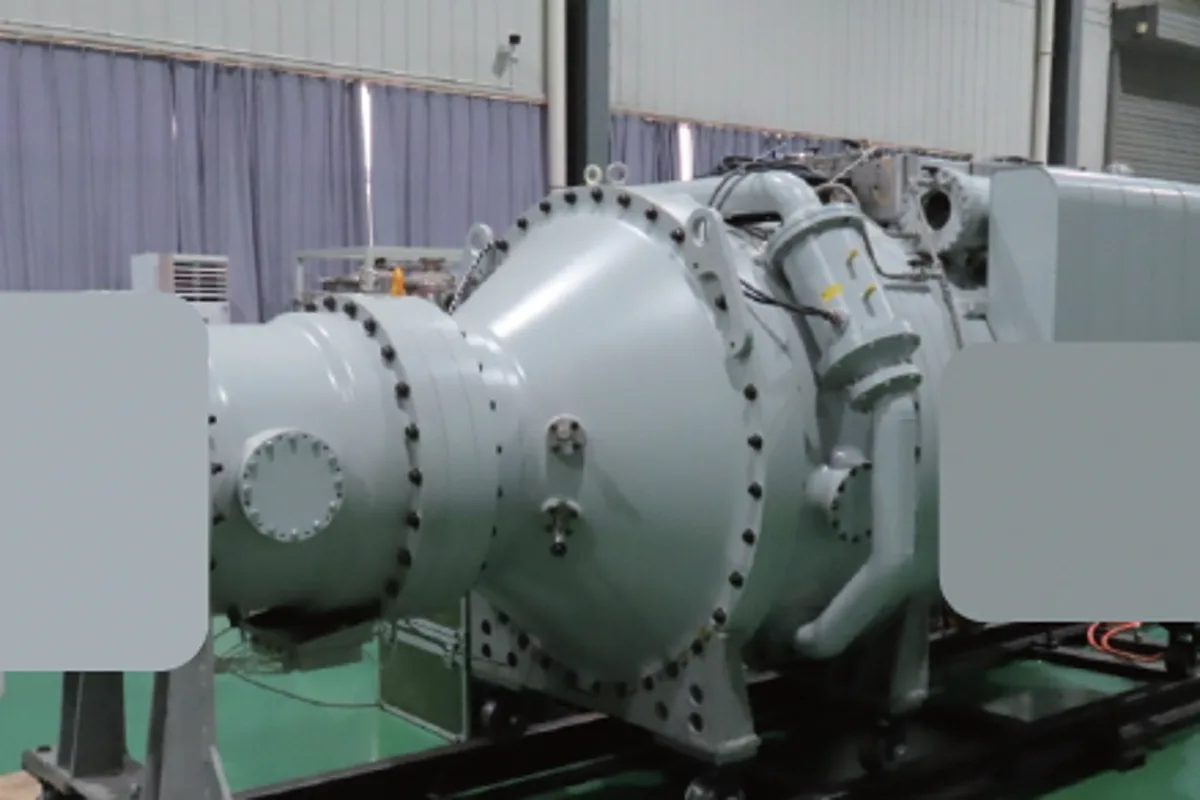
Chinese scientists have created a compact high-power microwave generator that could be used to disable satellite constellations such as SpaceX's Starlink. The device, named TPG1000Cs, is the world's first compact driver for a high-power microwave (HPM) weapon, measuring just four metres long and weighing five tons — small enough to be mounted on trucks, aircraft, or satellites.
High-power microwave weapons are seen as a low-cost alternative to missiles, offering near-unlimited firing capacity and minimal space debris. Unlike conventional anti-satellite weapons, which create hazardous orbital debris, microwave weapons can disable electronics with plausible deniability.
The breakthrough, achieved by researchers at the Northwest Institute of Nuclear Technology (NINT), uses a special liquid insulating material called Midel 7131 to achieve higher energy storage density and reduced energy loss. The device can produce electrical pulses of up to 20 gigawatts (GW), far exceeding the 1 GW threshold needed to disrupt Starlink satellites.
China has published multiple studies highlighting the military threat posed by Starlink, particularly during the Russia-Ukraine conflict. Last year, researchers from Beijing Institute of Technology simulated disrupting Starlink satellites over an area the size of Taiwan. The TPG1000Cs has demonstrated stable operation over one-minute durations and accumulated approximately 200,000 pulses with consistent performance.