Space Reproduction Faces Major Hurdle as Sperm Struggle in Zero Gravity
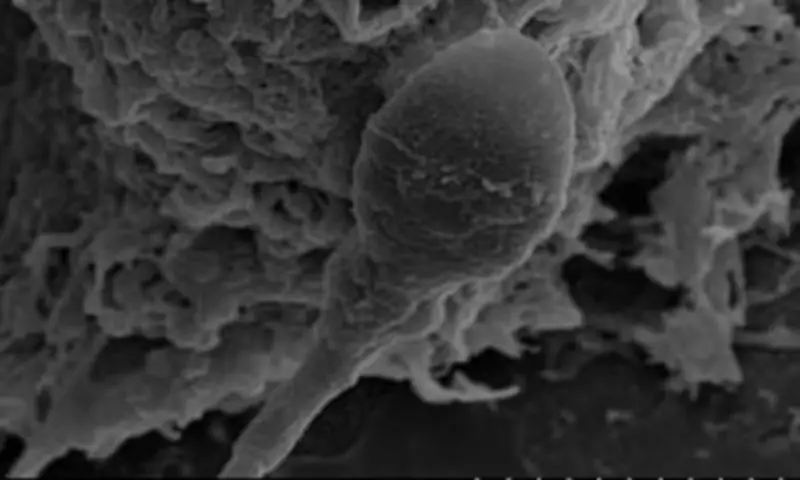
Conceiving children in space presents far greater challenges than previously imagined, according to groundbreaking new research that reveals sperm become disoriented and lose their navigational abilities in microgravity environments. This discovery represents a significant obstacle for long-term space missions and future human settlements on other planets.
Navigational Breakdown in Microgravity
Researchers from Adelaide University have conducted the first comprehensive study examining how sperm behave under simulated zero-gravity conditions. Their findings demonstrate that gravity plays a crucial role in sperm's ability to navigate through reproductive channels effectively.
'This is the first time we have been able to show that gravity is an important factor in sperm's ability to navigate through a channel like the reproductive tract,' explained senior author Dr Nicole McPherson. 'We observed a significant reduction in the number of sperm that were able to successfully find their way through the chamber maze in microgravity conditions compared to normal gravity.'

The research team tested sperm samples from humans, mice, and pigs using specialized equipment that simulates zero-gravity conditions. The sperm were then directed through a complex maze designed to replicate the female reproductive tract, where they demonstrated substantially poorer navigation than under normal gravitational conditions.
Reduced Fertilisation Rates and Developmental Concerns
Using sophisticated simulation models, researchers documented up to a 30 percent reduction in successful egg fertilisation when sperm were exposed to microgravity. The fertilisation rates showed noticeable decline during just four to six hours of exposure to zero-gravity conditions.
More prolonged exposure to microgravity produced even more concerning results, including:
- Development delays in early embryo formation
- Reduced numbers of crucial fetal cells
- Modifications to embryo cellular structure
'These insights show how complex reproductive success in space is and the critical need for more research across all early stages of development,' Dr McPherson emphasized, highlighting the multifaceted challenges of reproduction beyond Earth.
Potential Solutions and Future Research Directions
Despite these significant challenges, the research team identified one promising avenue for improvement. They discovered that adding the sex hormone progesterone helped human sperm better overcome the negative effects of microgravity on their navigation capabilities.
'We believe this is because progesterone is also released from the egg and can help guide sperm to the site of fertilisation, but this warrants further exploration as a potential solution,' Dr McPherson noted, suggesting possible interventions for future space reproduction efforts.
The study, published in the prestigious journal Communications Biology, represents the first systematic assessment of sperm navigation through reproductive channels under controlled microgravity conditions. This research comes at a critical time as space agencies worldwide plan ambitious missions to establish permanent human presence beyond Earth.
Implications for Space Exploration and Multi-Planetary Species
'As we progress toward becoming a spacefaring or multi-planetary species, understanding how microgravity affects the earliest stages of reproduction is critical,' stated co-author Professor John Culton, emphasizing the long-term significance of these findings.
The research team now plans to investigate several crucial questions, including:
- How varying gravitational environments affect sperm navigation
- The impact of proposed artificial gravity systems on reproduction
- Whether gravity-related developmental changes occur gradually or follow an 'all or nothing' pattern
Understanding these distinctions is essential for planning human reproduction in extraterrestrial environments, including potential settlements on the Moon and Mars, and for designing artificial gravity systems that support healthy embryonic development.

Broader Context and Related Research
This research emerges alongside other significant developments in space reproduction science. Last year, researchers from Kyoto University demonstrated that mouse egg and sperm cells could survive in space and produce healthy offspring. Meanwhile, Dutch Biotech startup Spaceborn United has launched the first miniature laboratory for in vitro fertilisation and embryo processes into orbit.
The current study's authors note that space exploration continues to drive scientific advancement, with renewed focus on long-term missions and planetary settlements. NASA's ARTEMIS program aims to return humans to the Moon by 2029, while SpaceX anticipates its first crewed Mars missions by 2030.
'As humanity moves toward permanent off-Earth habitation, understanding how extraterrestrial conditions affect reproduction is essential for crew health and the sustainability of life beyond Earth,' the researchers concluded in their published paper.
Despite the challenges identified, Dr McPherson offered a note of cautious optimism: 'In our most recent study, many healthy embryos were still able to form even when fertilised under these conditions. This gives us hope that reproducing in space may one day be possible.'
The reality of space reproduction appears far more complex than portrayed in science fiction, requiring substantial scientific advancement before humans can successfully establish reproductive capabilities beyond Earth's atmosphere.