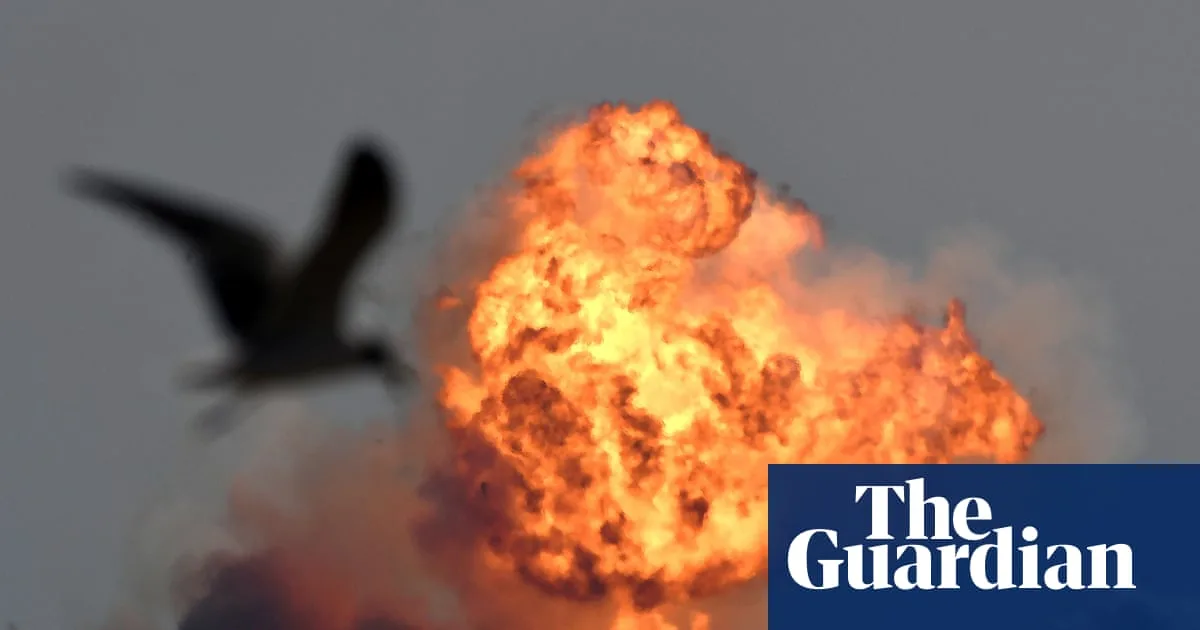
Environmentalists and scientists have raised concerns over a plan by Elon Musk's SpaceX to expand rocket debris landing zones in the Pacific Ocean, potentially impacting Hawaii's pristine waters. The Federal Aviation Administration (FAA) granted permission in May for SpaceX to detonate rocket ships over protected waters near the north-west Hawaiian island of Mokumanamana, a site of deep cultural significance to Native Hawaiians.
SpaceX's Starship Super Heavy Project, first proposed in 2022, initially allowed five launches per year from Boca Chica, Texas. In 2024, Musk proposed increasing this to 25 annual launches and expanding the Pacific debris zone by roughly 75 times its original scope. This new area includes the eight main Hawaiian islands, Mokumanamana, and the entire north-west Hawaiian chain within the Papahānaumokuākea marine national monument, a Unesco world heritage site.
The monument, covering nearly 600,000 square miles, hosts 7,000 species including critically endangered birds, turtles, marine mammals, fish, and coral. It was designated a sanctuary under the Biden administration, granting enhanced legal protections. Critics fear that debris, hazardous material spills, and sonic booms from rocket explosions could harm wildlife and the environment.

William Aila, former chair of Hawaii's department of land and natural resources, emphasised the cultural importance of the area, stating that Native Hawaiians seek an honest assessment of risks before consenting to debris falling from failed rockets. SpaceX's 'fail fast' approach, combined with Musk's ties to the US government, has led to concerns that the FAA's environmental review is insufficient.
Musk has framed the expansion as crucial for humanity's survival, aiming to colonise Mars with the Starship rocket, the largest ever built. However, opponents argue that the potential ecological damage to one of the world's most unique marine areas outweighs these ambitions.