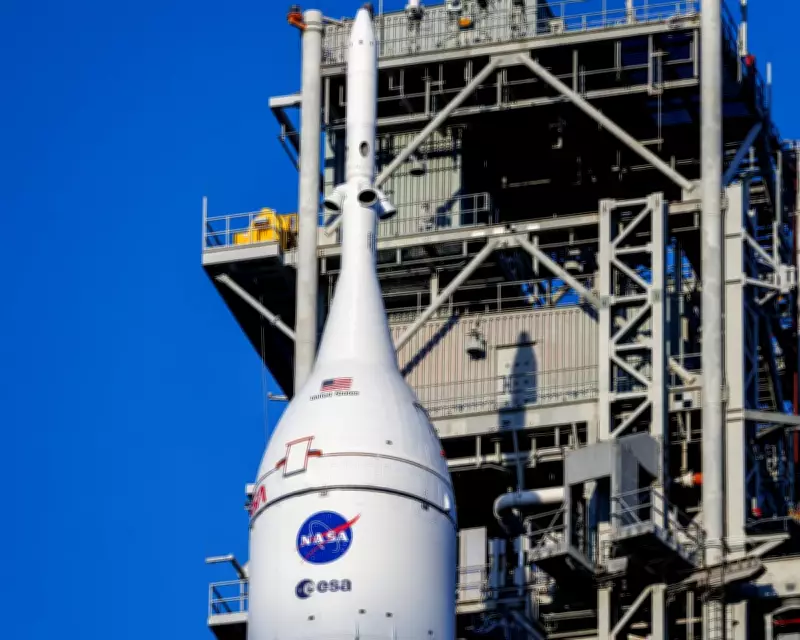
NASA Confirms April 1 Launch Window for Artemis II Moon Mission
NASA has announced that the highly anticipated Artemis II mission, the first crewed flyby of the moon in more than five decades, is on track for a potential launch as early as April 1. This update comes after technical difficulties forced a delay from the originally planned February launch date.
Technical Readiness and Mission Details
During a press conference on Thursday, Lori Glaze, a senior NASA official, stated, "We are on track for a launch as early as April 1, and we are working toward that date." She emphasized that while the mission is a test flight with inherent risks, the team and hardware are prepared, though additional work remains. The first launch window is set for Wednesday, April 1, at 6:24 PM local time (22:24 GMT), with several backup opportunities available over a six-day period.
Crew and Mission Profile
The Artemis II mission will be crewed by four astronauts: three Americans—mission commander Reid Wiseman, Victor Glover, and Christina Koch—and Canadian astronaut Jeremy Hansen. After launch, the spacecraft will orbit Earth before embarking on a lunar flyby without landing, ultimately returning to Earth for an ocean splashdown. NASA diagrams indicate the crew will approach the moon at a distance ranging from 4,000 to 6,000 miles above the surface, depending on the launch date, making it the closest human approach in over 50 years.

Artemis Program Revamp and Future Goals
In February, NASA announced a sudden revamp of the Artemis program, including the addition of a test mission prior to an eventual lunar landing. Artemis II serves as a critical step, followed by Artemis III, which aims for a rendezvous in low-Earth orbit with a lunar lander. The subsequent phase, Artemis IIII, targets a lunar landing by early 2028, aligning with former President Donald Trump's goal of returning Americans to the moon.
Glaze noted, "At this distance the moon will appear to the crew to be about the size of a basketball held at arm's length," highlighting the unique perspective this mission will offer. The mission underscores NASA's ongoing efforts to advance human space exploration and test new technologies for future deep-space endeavors.