NASA has announced a dramatic overhaul of its lunar exploration strategy, just days before the scheduled launch of the Artemis II mission. The US space agency has cancelled its plans for a Moon-orbiting space station and will instead focus on building a permanent $20 billion base directly on the lunar surface.
Artemis II Launch Remains on Track
The agency confirmed it is still targeting an April 1 launch date for the Artemis II mission, which will send four astronauts on a historic journey around the Moon. The crew includes Reid Wiseman, Victor Glover, Christina Koch, and Jeremy Hansen, who will undertake an approximately 10-day voyage around the Moon and back to Earth.
A Historic Crewed Mission
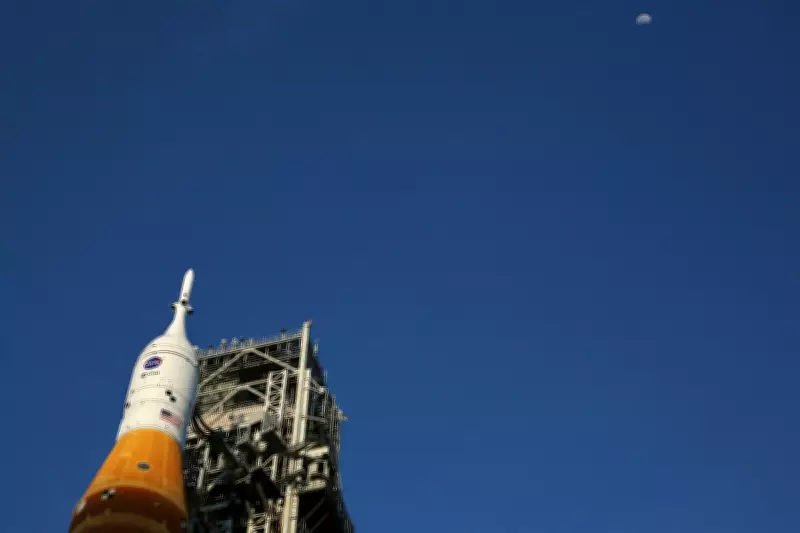
This mission represents the first crewed flight of the Artemis program and marks the first time astronauts will travel around the Moon in over five decades. The Space Launch System rocket and Orion spacecraft had previously returned to the Vehicle Assembly Building at Kennedy Space Center in Cape Canaveral, Florida, for repairs after an issue with helium flow was identified.

Strategic Shift in Lunar Exploration
The decision to revise NASA's lunar exploration plan was made by Jared Isaacman, head of the US space agency. This strategic shift aims to establish a robust US presence on the Moon before China's anticipated lunar landing in 2030.
From Space Station to Surface Base
Instead of pursuing a Moon-orbiting space station, NASA will now concentrate its resources on developing a permanent lunar base. This $20 billion project represents a significant reallocation of the agency's priorities and funding toward direct lunar surface operations.
Broader Implications for Space Exploration
This announcement comes as NASA continues to advance its Artemis program, which includes plans for nuclear-powered spacecraft destined for Mars. The decision to focus on a lunar surface base rather than an orbital station reflects evolving strategic priorities in the new era of space exploration.
The timing of this announcement, just before the Artemis II launch, underscores NASA's commitment to maintaining American leadership in space exploration while adapting to changing geopolitical and technological landscapes.