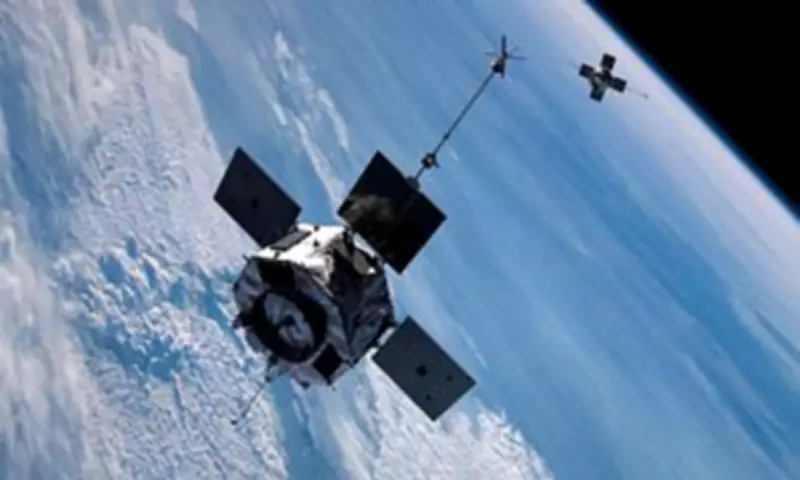
NASA's 1,300-Pound Satellite Plunges to Earth After Solar Storm Acceleration
A 1,300-pound NASA satellite is hurtling back toward Earth and is expected to make an uncontrolled reentry through the atmosphere on Tuesday. This event follows nearly 14 years in orbit, with the spacecraft's mission having officially ended in 2019.
Tracking the Descent and Timing Predictions
The agency has been closely monitoring the Van Allen Probe A and projects it will reenter the atmosphere at approximately 7.45pm ET. However, due to atmospheric variables, the exact timing could vary by up to 24 hours, making precise predictions challenging.
Solar Activity Alters Initial Forecast
Originally, scientists anticipated the satellite would fall back to Earth in 2034. These calculations were based on standard orbital decay models. However, the current solar cycle has proven far more active than expected, significantly impacting the spacecraft's trajectory.

In 2024, researchers confirmed that the sun had reached its solar maximum, a peak in solar activity. This triggered intense space weather, including solar storms, which increased atmospheric drag on the satellite. As a result, the descent toward Earth has been accelerated, leading to the earlier-than-expected reentry.
Implications and Ongoing Monitoring
The uncontrolled nature of this reentry raises questions about potential risks, though NASA emphasizes that most debris is likely to burn up upon atmospheric entry. The agency continues to provide updates as the situation develops, with further details expected in the coming hours.
This incident highlights the dynamic interplay between solar phenomena and human-made objects in space, underscoring the need for advanced tracking and predictive models in orbital management.