NASA's 600kg Satellite Plunges to Earth Today with 1 in 4,200 Risk of Impact
NASA Satellite Crashes to Earth Today with Low Impact Risk

NASA's Massive Satellite Set for Uncontrolled Earth Re-Entry Today

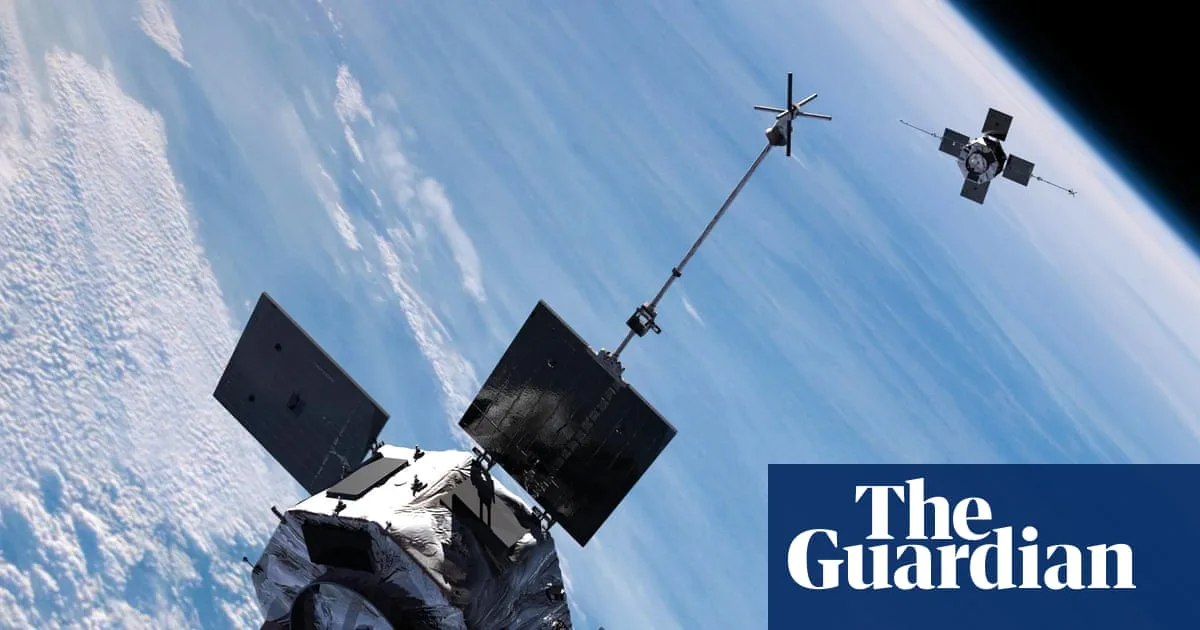
After nearly fourteen years orbiting our planet, a colossal NASA satellite is predicted to make a dramatic, uncontrolled descent back to Earth this Tuesday evening. The Van Allen Probe A, weighing an impressive 600 kilograms (1,323 pounds), is scheduled to re-enter the atmosphere at approximately 11:45pm GMT (7:45pm EDT).

Low but Calculated Risk to Public Safety

The United States space agency has provided crucial reassurances regarding public safety, stating the probability of any individual being struck by debris is remarkably low. NASA officials have calculated the risk at approximately 1 in 4,200, which translates to a mere 0.02 percent chance of impact.

"NASA expects most of the spacecraft to burn up as it travels through the atmosphere, but some components are expected to survive re-entry," the agency confirmed in a statement released on Monday. "The risk of harm coming to anyone on Earth is low... NASA and Space Force will continue to monitor the re-entry and update predictions."

The Historic Mission of the Van Allen Probes

This spacecraft represents one half of a pioneering twin satellite mission, launched alongside Van Allen Probe B in August 2012. Their primary objective was to gather unprecedented data from Earth's two permanent radiation belts, regions named after the esteemed scientist James Van Allen.

Typically, spacecraft and satellites actively avoid these intense radiation zones to prevent damage to their sensitive electronics. However, studying these belts is fundamentally important for advancing our understanding of space weather phenomena and comprehending how Earth's magnetic field provides a protective shield against cosmic radiation, powerful solar storms, and relentless solar wind.

Exceeding Expectations: A Seven-Year Scientific Legacy

Originally designed for a modest two-year operational lifespan, the resilient Van Allen Probes far exceeded expectations, delivering valuable scientific data for an impressive seven years before being officially decommissioned in 2019.

The wealth of information collected during this extended mission has played a significant and transformative role in multiple critical areas:

  • Substantially improving the accuracy of space weather forecasts.
  • Enhancing predictions regarding how solar activity affects orbiting satellites and astronauts.
  • Providing better models for understanding potential impacts on terrestrial power grid systems.

NASA has indicated that the second probe, Van Allen Probe B, is not anticipated to make its own atmospheric re-entry until at least the year 2030.

The Rare Reality of Falling Space Debris

While instances of space objects causing injury or property damage on Earth are extraordinarily rare, they are not entirely without precedent. A notable incident occurred in 2002 in northern China, where a six-year-old boy was struck by a 10-kilogram fragment of debris following a satellite launch in a neighbouring province. Reports from the time indicated the child sustained only minor injuries to his toe and head.

Today's event serves as a stark reminder of the complex lifecycle of human-made objects in space and the meticulous tracking and risk assessment protocols employed by agencies like NASA to safeguard populations below.