NASA's Van Allen Probe A Crashes into Pacific After 14-Year Orbit
NASA Satellite Crashes into Pacific After 14 Years

NASA's Van Allen Probe A Makes Controlled Crash into Pacific Ocean

An out-of-control NASA satellite has made a dramatic return to Earth, plunging into the East Pacific Ocean after spending over 14 years in orbit. The 590-kilogram (1,300 lbs) Van Allen Probe A crashed down near the Galapagos Islands at 10:37 GMT (06:37 EDT) yesterday morning, marking the end of its extended mission.

Safe Re-Entry in Remote Waters

NASA officials confirmed that most of the spacecraft was expected to burn up upon re-entry into the atmosphere, though some components may have survived and reached the ocean surface. The crash site, located approximately 680 miles (1,100 km) south of Puerto Vallarta, Mexico, is in a highly remote area, making it extremely unlikely that any harm came to people or property. The space agency had previously estimated the odds of the satellite causing injury at around one in 4,200.

Dr Marco Langbroek, a noted satellite tracking expert, reported that the re-entry fireball was detected by the US Space Force, likely using a military infrared early warning system. He added that predicting this event was particularly challenging due to the satellite's highly elliptical orbit, which meant it only slowed down briefly as it dipped into the atmosphere at the closest point of its oval-shaped path.

Extended Mission Beyond Expectations

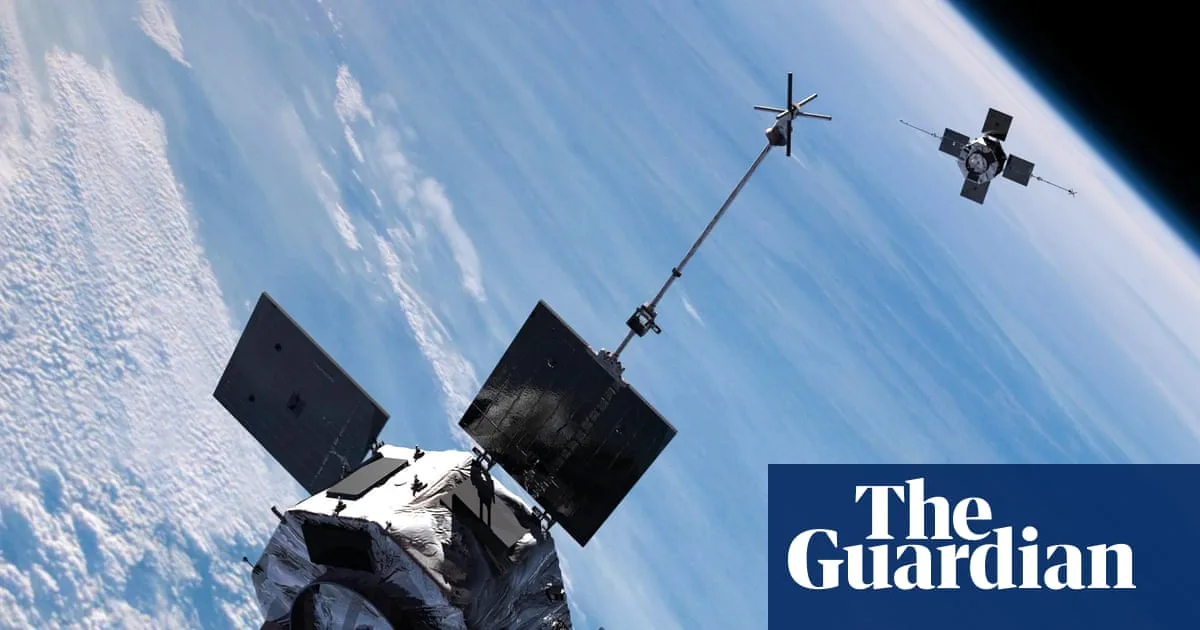
Originally launched in August 2012 for a two-year mission, Van Allen Probe A and its twin, Van Allen Probe B, were designed to study the Van Allen Belts—invisible, doughnut-shaped rings of highly charged radioactive particles surrounding Earth. These belts help shield the planet from solar winds and cosmic rays but pose risks to satellites and astronauts.

Despite initial expectations, both probes continued gathering data for over six years, providing valuable scientific insights until 2019. NASA requires that spacecraft be safely de-orbited at the end of their lifespans to prevent them from becoming space junk. To achieve this, scientists used the last of the probes' fuel over two weeks, firing engines five times in two-hour bursts that burned more than two kilograms (4.5 lbs) of propellant each. This maneuver lowered the orbit's closest point from 370 miles (595 km) to 190 miles (305 km), allowing atmospheric friction to gradually pull the satellite down.

Solar Activity Accelerates Re-Entry

NASA had initially predicted that Van Allen Probe A would re-enter in 2034, but these forecasts were revised after studies in 2024 confirmed the sun had reached its 'solar maximum'. This period of intense space weather, including solar flares and coronal mass ejections, caused Earth's atmosphere to swell slightly, increasing drag on the craft and hastening its descent. Van Allen Probe B is not expected to re-enter until after 2030.

The data collected by the Van Allen Probes remains crucial for understanding space weather and its impacts on satellites, astronauts, and Earth-based systems like communications and power grids. By observing these dynamic regions, the mission has helped improve forecasts of space weather events and their potential consequences.

Importance for Future Space Exploration

With NASA's Artemis program targeting a crewed lunar mission this year, understanding the Van Allen Belts is more critical than ever. Astronauts passing through these regions are exposed to high-energy radiation, which is far more damaging than X-rays. The probes' observations provide a goldmine of data for developing better models of radiation belts, ensuring safer journeys for future space explorers.