NASA Announces Major Overhaul of Artemis III Mission, Delaying Human Moon Landing
NASA has unveiled a radical revision to its Artemis III mission, abandoning the goal of sending humans to the moon in this phase. The announcement, made on Friday by recently confirmed administrator Jared Isaacman, comes as the agency contends with persistent technical glitches and mounting criticism over its ambitious timeline.
Incremental Approach Adopted for Lunar Return
Under the new strategy, NASA will introduce at least one additional moon flight before attempting to land humans on the lunar surface for the first time since 1972. This more gradual approach is designed to allow the team to test and refine technology, reducing risks associated with the complex mission. Isaacman emphasized that this step-by-step method mirrors the successful approach of the original Apollo program, where multiple missions preceded the historic 1969 landing.
"Everybody agrees this is the only way forward," Isaacman stated during a news conference. "I know this is how NASA changed the world, and this is how NASA is going to do it again." The revised plan follows a blunt report from the independent Aerospace Safety Advisory Panel, which criticized NASA's current objectives as overly risky and urged an urgent rethink.

Delays and Technical Issues Prompt Schedule Adjustments
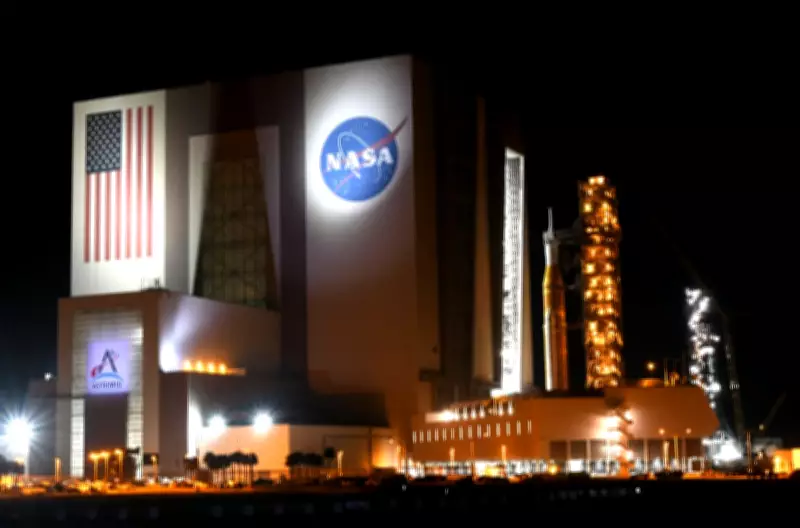
The Artemis II mission, which aims to fly humans around the moon without landing, has also been postponed. Originally scheduled for launch on 6 March, it is now set for no earlier than 1 April. This delay stems from recent technical problems, including a blockage in the rocket's helium flow and a hydrogen leak discovered in February. Engineers returned the rocket to its hangar at the Kennedy Space Center in Florida earlier this week to address these issues.
Artemis II will send four astronauts on a 10-day journey around the moon, surpassing the distance record set by Apollo 13 in 1970. Isaacman highlighted that this mission is a critical step in building flight experience with advanced systems.
Revised Timeline and Future Aspirations
Under the updated schedule, Artemis III will no longer target a moon landing. Instead, it is planned for launch by mid-2027 as a low-Earth orbit mission focused on testing essential technologies. This extra stage aims to provide NASA with valuable flight data and vehicle testing before attempting a human landing. If successful, a new Artemis IV mission would launch in 2028 to achieve the moon landing, with aspirations to land astronauts near the moon's south pole.
NASA envisions subsequent missions, such as Artemis V, potentially in 2028, followed by annual moon shots. This phased strategy underscores the agency's commitment to safety and technological readiness, as it navigates the challenges of returning humans to deep space after more than half a century.