NASA Report Compares Boeing Starliner Mishap to Space Shuttle Disasters
NASA has released a damning report on Boeing's Starliner mission, which left two astronauts stranded on the International Space Station for nine months. The agency ranks this botched test flight among the Challenger and Columbia shuttle disasters as one of its most perilous situations in recent history.
A 'Really Terrible Day' Narrowly Avoided
The first manned outing for the Boeing space taxi in 2024 suffered severe thruster problems during its approach to the ISS. According to the bruising report released this week, the incident was classified as a 'Type A mishap'—the same top-tier severity reserved for catastrophic events like the loss of the two Space Shuttles. NASA associate administrator Amit Kshatriya admitted, "We almost did have a really terrible day."
On Thursday, NASA's independent Program Investigation Team (PIT) publicly unveiled its findings, describing the flight as "a really challenging event in our recent history." The spacecraft encountered propulsion trouble near the ISS, losing the ability to orient itself safely for a tense period. This compromised attitude control and forced ground teams into emergency crisis-management mode to prevent a potential disaster.

Culture of Pressure and Poor Decision-Making
Beyond the hardware failures, the report paints an unsettling picture of systemic pressure and flawed decision-making within the Starliner programme. In anonymised testimony, one individual revealed, "There was yelling in meetings. It was emotionally charged and unproductive." Another stated, "If you weren’t aligned with the desired outcome, your input was filtered out or dismissed," while a third called it "probably the ugliest environment I’ve been in."
Speaking at a press conference, NASA Administrator Jared Isaacman highlighted that Starliner has "design and engineering deficiencies that must be corrected." He issued a stark warning: "The most troubling failure revealed by this investigation is not hardware. It’s decision-making and leadership that, if left unchecked, could create a culture incompatible with human space flight."
Starliner Grounded Until Issues Resolved
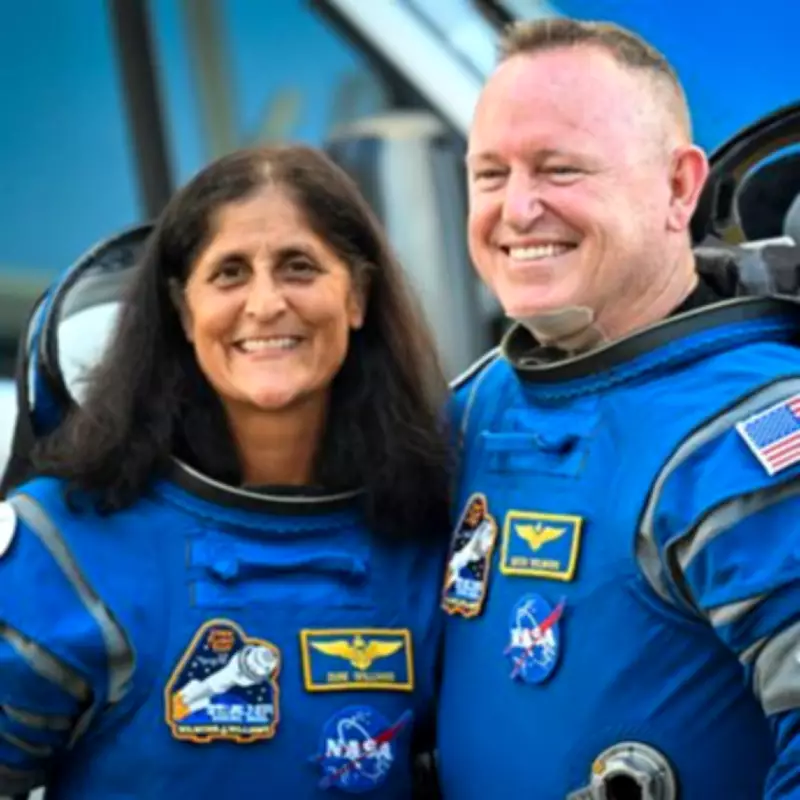
Isaacman confirmed that the Starliner capsule will not carry crew again until technical causes are fully understood and corrected, the propulsion system is rigorously qualified, and all investigation recommendations are implemented. Until then, NASA will continue relying exclusively on SpaceX to ferry astronauts to and from the ISS. SpaceX ultimately came to the rescue of astronauts Suni Williams and Butch Wilmore, who were stranded for nine months due to the Starliner's failures.
Boeing has responded by stating it has taken steps to address both the technical flaws and the team culture highlighted in the report. The company said, "In the 18 months since our test flight, Boeing has made substantial progress on corrective actions for technical challenges we encountered and driven significant cultural changes across the team that directly align with the findings in the report."
NASA and Boeing revised their Commercial Crew contract in November, outlining plans for an uncrewed Starliner cargo mission no earlier than April this year, followed by up to three crewed rotations before the ISS retires in 2030. However, following this week's withering assessment, there is now a real possibility that Starliner may never fly people again unless it clears every technical and cultural hurdle laid out by investigators.
Future Implications for Space Exploration
Starliner was originally intended to serve as NASA's second route into orbit, introducing competition to keep costs in check and providing a backup ride for crews. Instead, the project faces extensive rework and delays, with engineers now tasked with rebuilding trust in the spacecraft. Astronauts will likely continue using SpaceX seats for the foreseeable future, underscoring the significant setbacks Boeing has encountered in its space endeavours.
This incident raises broader questions about safety protocols and corporate culture in commercial space partnerships, as NASA emphasises that mission and crew safety must remain the highest priority. The report's findings are expected to influence future collaborations and regulatory standards in the rapidly evolving space industry.