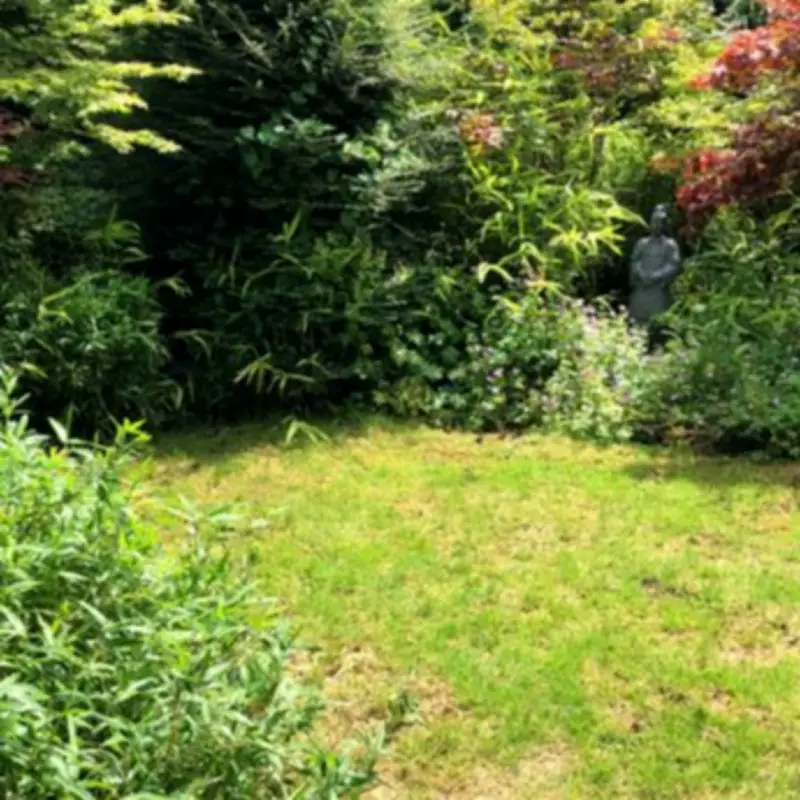
Spring represents a crucial period for lawn care, as grass is still recuperating from winter conditions and has only a narrow window to establish proper growth before warmer temperatures start to parch it. Gardeners have merely a handful of weeks to promote denser grass growth, which enables roots to extend more deeply into the earth to retain greater moisture and enhance summer drought resistance.
It is advisable to steer clear of synthetic fertilisers, as they can damage wildlife and, with their rapid-release nutrients, render grass reliant on regular feeding, which can compromise root strength over time. Instead, Pleasant Green Grass, an organic landscaping firm, has revealed the secret to "thicker, greener, [and] stronger" grass is Epsom salt, an ingredient many households already keep in their bathrooms.
They explained: "If you care about your lawn and are an adept of organic lawn care and landscaping, then Epsom Salt is right for you. Make a mixture of the salt with water and spray your turf and lawn with the dilution once or twice a month."

Why should lawns receive Epsom salt in spring?
Epsom salt is commonly marketed as a bath soak to ease muscles or soothe irritated skin, but it is also a natural product containing magnesium, which assists plants in absorbing additional nutrients and moisture. Magnesium is likewise essential for plants to generate chlorophyll, a green pigment that aids plants with photosynthesis.
It will provide lawns with extra energy during spring when they desperately require it, enabling them to cultivate substantially thicker grass and more robust roots. Epsom salt is a firm favourite amongst gardeners, widely recognised for its ability to intensify the colour of lawns and deliver noticeably greener grass with minimal effort.
The expert added: "The magnesium boost will help your grasses germinate faster and burst into sparkling green, robust, upright, thick and healthy turf blades."
How do you use Epsom salt on a lawn?
Epsom salt must be diluted prior to application on a lawn, as organic ingredients are considerably more potent, and using it undiluted risks over-fertilising the grass. It only needs to be applied once a month, as excessive use will introduce too much magnesium into the soil and upset the nutrient balance.
Simply dissolve around one to two tablespoons in a litre of water, pour it into a sprayer, and distribute it evenly across the lawn to prevent patchiness. The ideal time to apply Epsom salt is after rainfall, allowing the nutrients to penetrate the soil rather than sitting on the grass surface.
Carry on with your regular lawn upkeep such as mowing, watering, or removing moss in spring, and you should soon notice your grass appearing considerably thicker and greener within just a week or two.