NASA Announces Major Artemis Programme Overhaul with $20 Billion Moon Base Plan
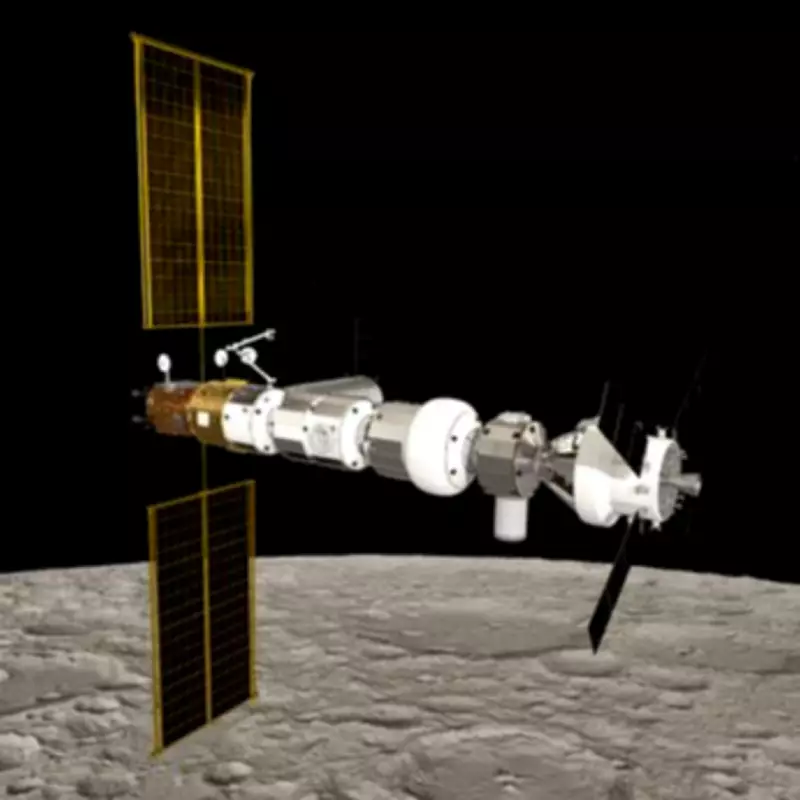
In a dramatic shift for its flagship lunar exploration initiative, NASA has announced the cancellation of its planned Lunar Gateway space station. Instead, the agency will focus on constructing a $20 billion base on the moon's surface, marking a significant strategic pivot in the Artemis programme.
New Leadership Drives Bold Changes
The announcement was made by NASA's new chief, Jared Isaacman, during a day-long event at the agency's Washington headquarters. Isaacman outlined a series of sweeping changes aimed at accelerating lunar exploration efforts. "These actions reflect the urgency of the moment, but also the tremendous opportunity ahead for world-changing science and discovery," stated an official NASA release regarding the planned modifications.
Isaacman emphasised the need for decisive action, telling delegates, "It should not really surprise anyone that we are pausing Gateway in its current form and focusing on infrastructure that supports sustained operations on the lunar surface." He further articulated NASA's ambitious goals, stating, "NASA is committed to achieving the near‑impossible once again, to return to the moon before the end of President Trump’s term, build a moon base, establish an enduring presence, and do the other things needed to ensure American leadership in space."

Repurposing Gateway Components for Lunar Surface Operations
The cancelled Lunar Gateway station, which was largely already constructed by contractors Northrop Grumman and Vantor (formerly Maxar), was originally intended to be a space station positioned in lunar orbit. Under the new plan, components earmarked for the Gateway will be repurposed for the moon base project, which is projected to take seven years to complete.
However, Isaacman acknowledged the challenges involved, noting, "Despite some of the very real hardware and schedule challenges, we can repurpose equipment and international partner commitments to support surface and other program objectives." He expressed confidence in NASA's capabilities, adding, "If we concentrate NASA’s extraordinary resources on the objectives of the National Space Policy, clear away needless obstacles that impede progress, and unleash the workforce and industrial might of our nation and partners, then returning to the Moon and building a base will seem pale in comparison to what we will be capable of accomplishing in the years ahead."
Artemis Programme Context and Upcoming Missions
This major announcement coincides with NASA targeting April 1 for the Artemis rocket launch. This mission will send three NASA astronauts and one Canadian Space Agency astronaut on a flight around the moon, representing the first human visit to lunar vicinity since 1972.
The broader Artemis programme aims to send astronauts on progressively more complex missions to explore the moon for scientific discovery, economic benefits, and to establish a foundation for the first crewed missions to Mars. Isaacman stressed the competitive nature of modern space exploration, asserting, "The clock is running in this great‑power competition, and success or failure will be measured in months, not years."
This strategic realignment underscores a renewed focus on establishing a permanent human presence on the lunar surface, moving away from orbital infrastructure towards direct surface habitation and operations as the cornerstone of America's future in space exploration.