NASA Astronaut's Medical Scare in Space Remains Unsolved Mystery
In a startling revelation, the NASA astronaut who triggered the agency's first-ever medical evacuation earlier this year has disclosed that medical experts remain baffled by the sudden illness he experienced aboard the International Space Station. Four-time space veteran Mike Fincke, a retired Air Force colonel, recounted the alarming incident during an interview from Houston's Johnson Space Center, emphasising that the cause is still under intense investigation.
Sudden Onset During Routine Evening
The medical emergency struck unexpectedly on January 7, while Fincke was dining after preparations for a scheduled spacewalk the following day. He described the episode as "completely out of the blue" and "amazingly quick," likening it to a "very, very fast lightning bolt." Fincke, aged 59, suddenly lost his ability to speak, though he recalls experiencing no pain. His concerned crewmates immediately sprang into action upon observing his distress, swiftly contacting flight surgeons on Earth for urgent assistance.
Medical Investigation and Privacy Concerns
The mysterious episode lasted approximately twenty minutes, after which Fincke reported feeling completely normal, a condition that has persisted. Doctors have eliminated a heart attack as a potential cause, and Fincke confirmed he was not choking. However, all other possibilities remain under consideration, including potential links to his extensive 549 days of cumulative weightlessness exposure across multiple missions. Since returning to Earth, Fincke has undergone numerous medical tests, and NASA is meticulously reviewing other astronauts' records to identify any similar occurrences in space.

Fincke highlighted that NASA is deliberately limiting public details about his medical situation to protect the privacy of future astronauts, ensuring they do not fear compromised confidentiality if health issues arise during missions. He noted that the space station's ultrasound equipment proved invaluable during the incident, aiding initial assessments.
Impact on Mission and Crew
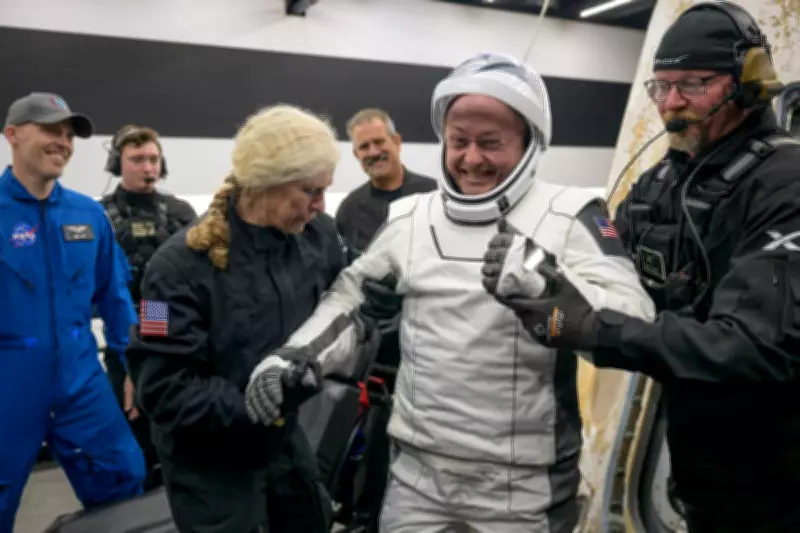
The medical scare had significant operational repercussions, leading to the cancellation of a planned spacewalk that would have marked Fincke's tenth extravehicular activity and the first for crewmate Zena Cardman. Consequently, Fincke, Cardman, and two other crew members returned to Earth prematurely via SpaceX on January 15, over a month ahead of schedule, proceeding directly to hospital for evaluation. Fincke expressed regret over the disruption, stating he felt "bad" about the cancelled activities, though colleagues reassured him, with NASA's new administrator Jared Isaacman even instructing him to cease apologising, affirming "This wasn't you. This was space, right?"
Ongoing Optimism and Future Hopes
Despite the unsettling experience, Fincke, who publicly identified himself as the affected astronaut late last month to quell speculation, remains hopeful for a future return to space. He emphasised his lifelong robust health, making the incident "very surprising for everyone," and maintains an optimistic outlook, supported by his team's encouragement that he "didn't let anybody down." The investigation continues as NASA seeks to unravel this medical enigma, potentially informing safety protocols for long-duration spaceflight.