In a startling incident aboard the International Space Station, NASA astronaut Mike Fincke faced a sudden and unexplained medical crisis that resulted in him losing his ability to speak for around 20 minutes. The event occurred on January 7, 2026, while Fincke was in the midst of preparations for a scheduled spacewalk, sending immediate alarms through the crew and prompting urgent communications with flight surgeons back on Earth.
Emergency Response and Medical Mystery
The loss of speech triggered a swift emergency alert, with crewmates on the ISS quickly mobilising to assist Fincke. Despite extensive medical testing conducted both in orbit and after his return, doctors have been unable to pinpoint the exact cause of the illness. Initial assessments ruled out common issues such as a heart attack or choking, but medical teams are now exploring a potential connection to Fincke's extensive time in weightlessness, totalling 549 days across his career.
Evacuation and Mission Impact
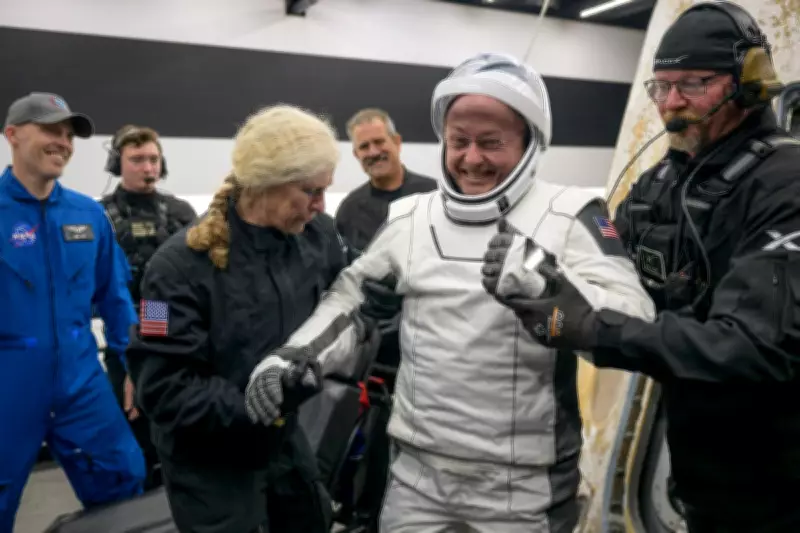
As a direct result of this medical emergency, Fincke was evacuated from the ISS earlier than planned on January 15, 2026, via a SpaceX spacecraft. He was accompanied by three other crewmates, and the incident led to the cancellation of a planned spacewalk, disrupting mission schedules and raising concerns about astronaut health in long-duration spaceflights.

Since his return to Earth, Fincke has made a full recovery and reports feeling fine, though he has expressed regret over the disruption caused to the mission. In statements, he has voiced his hope to return to space in the future, underscoring his commitment to exploration despite the scare.
NASA's Ongoing Review
In response to this incident, NASA has initiated a thorough review of medical records from other astronauts to check for any similar unexplained episodes. This proactive measure aims to enhance safety protocols and better understand the potential risks associated with extended periods in microgravity, ensuring the well-being of crew members on future missions.
The event highlights the unpredictable challenges of human spaceflight and the critical importance of robust medical support systems in orbit. As investigations continue, the space community remains vigilant, learning from such emergencies to safeguard astronauts' health in the harsh environment of space.