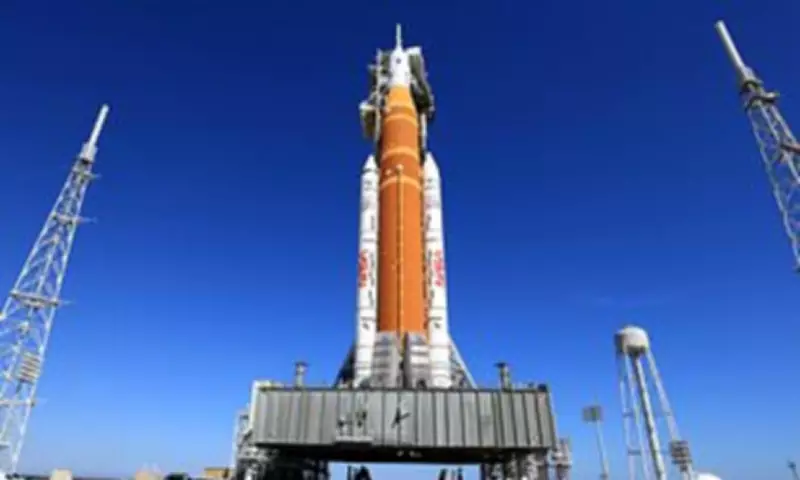
NASA's Artemis II Wet Dress Rehearsal Achieves Full Success
NASA has triumphantly executed the second wet dress rehearsal for the Artemis II mission, marking a significant recovery less than a month after the initial attempt ended in failure. Crucially, the hydrogen fuel leaks that previously forced an abrupt halt remained well below the 16 per cent threshold deemed safe by the space agency.
Rehearsal Details and Procedures
Commencing on Thursday at 10:30 am local time (15:30 GMT), ground crews at the Kennedy Space Centre in Florida loaded the Space Launch System (SLS) rocket with over 2.6 million litres of propellant. They then practiced sealing the hatches on the Orion spacecraft, which will transport astronauts Reid Wiseman, Victor Glover, Christina Koch, and Jeremy Hansen on a lunar flyby mission.
The rehearsal culminated in two full simulated launch countdowns, confirming the test as a complete success. NASA officially announced on social media, 'NASA teams successfully fueled the Artemis II rocket during tonight’s prelaunch test for the lunar mission.'

Technical Challenges and Safety Measures
A wet dress rehearsal is a critical pre-launch safety procedure where crews fuel the rocket, seal hatches, and simulate countdowns. This is especially vital for the SLS rocket, which is not reusable, making each launch essentially a first-time event. NASA associate administrator Amit Kshatriya emphasized that the SLS is still considered an 'experimental vehicle,' underscoring the importance of rigorous testing.
During the rehearsal, the only technical issue was a brief loss of ground communication, a recurring problem at Kennedy Space Centre. However, crews swiftly switched to backup systems and identified the source, ensuring minimal disruption.
Hydrogen Fuel Concerns and Solutions
The primary focus was on hydrogen leaks, as the SLS uses a cryogenic fuel mix of oxygen cooled to –183°C and hydrogen at –217°C. Hydrogen, while efficient and abundant, is prone to leaking due to its small molecular size. NASA caps acceptable leak rates at 16 per cent to prevent fire hazards.
In the previous rehearsal, a major leak in the tail service mast umbilical quick disconnect forced a cancellation. This time, new seals proved effective, with hydrogen concentrations staying within safe limits. NASA noted in a blog post, 'Hydrogen gas concentrations remained under allowable limits, giving engineers confidence in new seals.'
Launch Timeline and Mission Overview
With the successful rehearsal, NASA is now targeting a March launch window from March 6 to March 11, with a backup window in April. The Artemis II crew will begin quarantine on February 20 in Houston to mitigate illness risks.
Artemis II represents NASA's first crewed lunar mission since Apollo, aiming to test systems for future landings. Key mission facts include:
- Mission Objective: Lunar flyby to test systems for future landings.
- Total Distance: 620,000 miles (one million km).
- Duration: 10 days.
- Estimated Cost: $44 billion (£32.5 billion).
- Crew: Commander Reid Wiseman, Pilot Victor Glover, Mission Specialists Christina Koch and Jeremy Hansen.
This achievement signals NASA's progress in overcoming technical hurdles, bringing the agency closer to its ambitious lunar exploration goals.