NASA Artemis 2 Launch Hinges on Florida Weather Conditions
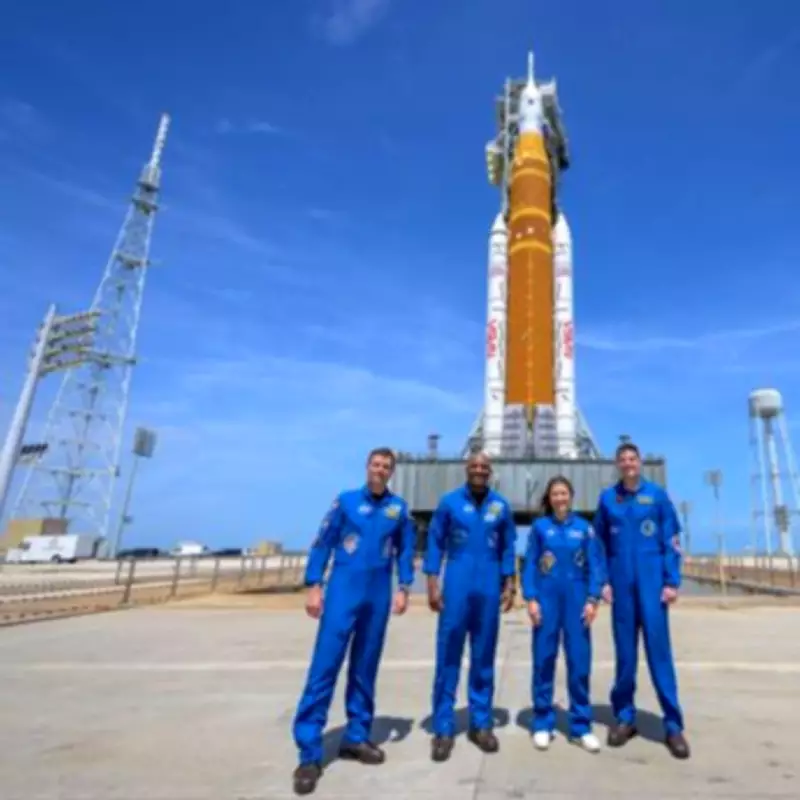
NASA's historic Artemis 2 mission, set to be humanity's first crewed launch to the Moon in more than five decades, is now at the mercy of the weather. The space agency's countdown is underway, but the final decision to proceed with the launch on Wednesday evening from Kennedy Space Center in Cape Canaveral, Florida, will depend entirely on meteorological conditions.
Weather Criteria and Current Forecast
NASA maintains an extensive set of weather criteria that must be met for the Artemis 2 launch to proceed. As of Tuesday, the forecast looked promising, with NASA rating it as an "80 per cent go" for Wednesday. Launch director Charlie Blackwell-Thompson expressed confidence, stating she felt "pretty good about our chances" during a mission briefing on Monday.
Amit Kshatriya, NASA's associate administrator, confirmed there were "no issues preventing us from pressing ahead", but emphasised that the launch would only be delayed if weather conditions move out of an "acceptable range". The primary concerns are cloud coverage and the potential for high winds, which could force meteorologists to "scrub" or cancel the mission.

AccuWeather's Assessment
Weather forecasting company AccuWeather supports NASA's optimistic outlook. Meteorologist Lydia Burroughs told Newsweek that "the weather seems to be cooperating for a Wednesday launch". She noted that while showers from earlier in the day might linger into the evening, the risk of rain or lightning during the launch window remains low.
However, Burroughs cautioned that sporadic thunderstorms are possible throughout the rest of the week into Monday, which could cause further delays if the launch is postponed. Winds are expected to remain light, with temperatures ranging from highs above 26°C to lows between 15°C and 20°C.
Mission Details and Historical Significance
The Artemis 2 mission involves four astronauts aboard the Space Launch System rocket. After a day in orbit around Earth, their Orion capsule will embark on a nearly 10-day, 600,000-mile journey to the Moon and back, concluding with a splashdown in the Pacific Ocean. This marks the first crewed lunar mission since 1972.
The crew includes commander Reid Wiseman, pilot Victor Glover, mission specialist Christina Koch—all NASA astronauts—and Canadian Space Agency astronaut Jeremy Hansen. If successful, Koch will become the first woman to fly to the Moon, Glover the first person of colour and black astronaut to travel into deep space, and Hansen the first Canadian and non-American to reach the lunar vicinity.
Previous Delays and Preparations
Artemis 2 has faced multiple setbacks. Originally scheduled for February, the launch was delayed due to hydrogen fuel leaks. After those were fixed, a clogged helium pressurisation line forced the rocket back to the hangar late last month. The rocket returned to the pad one and a half weeks ago, with the crew arriving at the launch site on Friday after completing a 14-day quarantine.
This mission represents a significant departure from the Apollo era, which featured exclusively white American men, many with military backgrounds. The diverse Artemis 2 crew underscores NASA's commitment to inclusivity in space exploration.
As the world watches, all eyes are on the Florida skies, where clear and dry conditions could pave the way for a monumental step in human spaceflight.