Astronauts Could Soon Eat Moon-Grown Chickpeas, Study Reveals
Astronauts may soon be enjoying homegrown chickpeas on the lunar surface, according to a groundbreaking study from Texas A&M University. Researchers have successfully cultivated the legumes in simulated moon dirt, offering a potential solution for sustainable food production during extended space missions.
Breakthrough in Lunar Agriculture
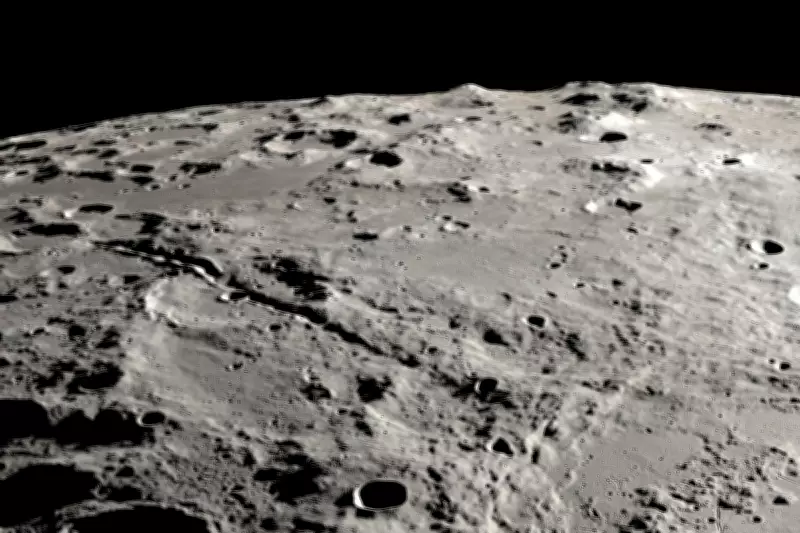
The study, published recently, demonstrates that chickpeas can thrive in imitated lunar regolith—the nutrient-poor dust covering approximately 75 per cent of the moon's surface. This development could reduce reliance on costly supply missions from Earth, providing astronauts with a fresh, locally sourced food supply.
Principal investigator Sara Santos explained, "The research focuses on understanding the viability of growing crops on the moon. How do we transform this regolith into soil? What natural mechanisms can facilitate this conversion?"

Innovative Growing Techniques
To achieve this milestone, the research team employed several advanced agricultural methods:
- Using simulated moon dirt based on Apollo mission samples
- Incorporating vermicompost, a nutrient-rich byproduct from red wiggler earthworms
- Coating desi chickpea seeds with arbuscular mycorrhizae fungi to enhance nutrient uptake
- Implementing a cotton wick-based irrigation system for precise water delivery
The symbiotic relationship between the fungi and chickpeas proved crucial, helping plants absorb essential nutrients while minimizing heavy metal contamination.
Limitations and Future Challenges
While the study showed promising results, significant hurdles remain. Researchers found that mixtures containing up to 75 per cent moon dirt successfully produced harvestable chickpeas. However, higher concentrations caused plant stress and premature death.
Moreover, scientists must still determine whether these space-grown crops are safe for human consumption. Jessica Atkin, the paper's first author and a doctoral candidate at Texas A&M, emphasized, "We need to assess their feasibility as a food source. Are they nutritious enough for astronauts? If not immediately safe, how many generations will it take to make them edible?"
Context and Implications
This research arrives as NASA prepares for its Artemis mission, aiming to return astronauts to the lunar surface for the first time in over five decades. The ability to grow food on the moon could be transformative for long-term space exploration, potentially supporting future lunar bases or missions to Mars.
The study represents a significant step toward sustainable space habitation, though further testing is required to ensure food safety and optimize growing conditions in extraterrestrial environments.