Researchers have proposed designating patches of the moon as spacecraft graveyards where defunct lunar satellites and other hardware can be crash-landed, away from culturally and scientifically important sites. The number of satellites circling the moon is expected to soar over the next two decades as space agencies and private companies pursue moon bases, mining, and scientific instruments.
Dr Fionagh Thomson, a senior research fellow at the University of Durham, convened an expert panel on the issue at the Space-Comm meeting in Glasgow in December. She warned that without proper disposal plans, dead satellites could rain down across the lunar surface, potentially damaging buildings, scientific instruments, historic sites such as the first astronaut footprints, and pristine areas of scientific interest.
With impact speeds of 1.2 miles per second, collisions would produce intense vibrations and vast clouds of abrasive dust, which could obscure telescopes and damage equipment. Prof Ian Crawford of Birkbeck, University of London, noted that while the moon's large surface area means it is not an immediate concern, the growing number of lunar satellites increases the risk of crashes into sensitive locations.

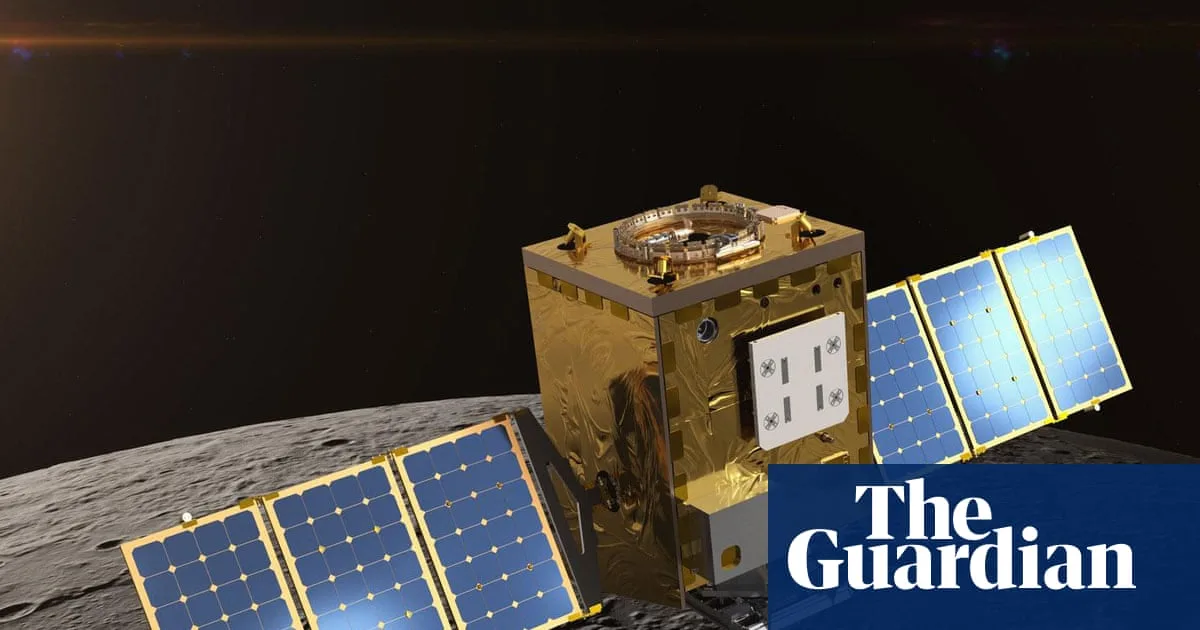
Unlike Earth, the moon has no atmosphere to incinerate defunct satellites, so operators must find other solutions. More than 400 moon missions are planned in the next two decades, including Nasa's Lunar Gateway and Artemis base camp, and a second moon base by China and Russia. The European Space Agency will launch the Lunar Pathfinder satellite next year, a testbed for its Moonlight constellation expected by 2030.
Satellite operators have three main options: fly the satellite into orbit around the sun (costly), move it to a more remote lunar orbit (difficult due to the moon's lumpy gravity), or crash it into the ground (requiring careful planning). Spacecraft graveyards are a leading contender, with operators required to crash old satellites at designated spots or into giant craters to contain dust. Both the UK Space Agency and signatories to the US Artemis accords are pursuing this approach.
Ben Hooper, senior project manager for Lunar Pathfinder at SSTL, said establishing graveyard zones is the most practical solution, limiting the spread of human artefacts and preserving other areas for science and operations. Charles Cranstoun, head of ESA's Moonlight programme office, confirmed that satellites would be crashed in controlled manners in specified zones to avoid sites of scientific interest.