In a significant development for global communications and activism, SpaceX's Starlink satellite internet service has reportedly begun offering free access in Iran. This move is providing a vital lifeline to demonstrators seeking to share details of widespread protests with the outside world, circumventing the Iranian government's most severe attempt yet to impose an information blackout.
A Crucial Tool Amidst a Total Shutdown
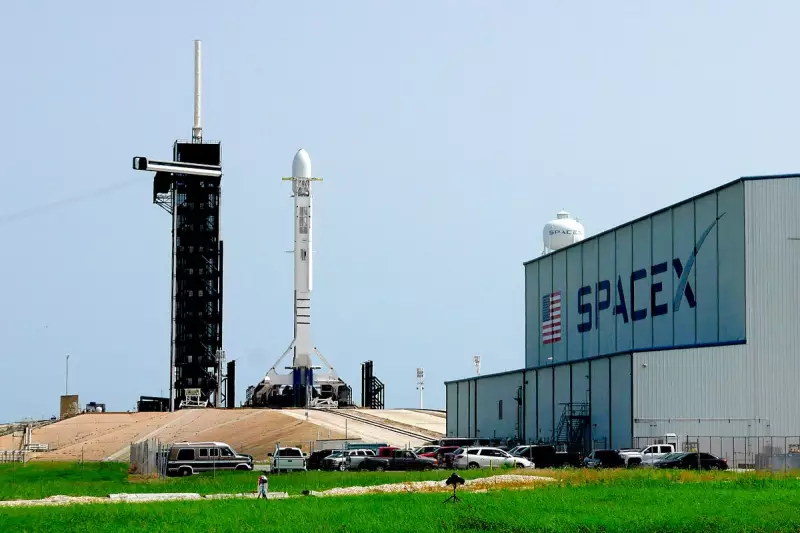
Activists confirmed on Wednesday, 14 January 2026, that Starlink had dropped its fees for users within Iran. This followed a near-total shutdown of telecommunications and internet access for the nation's 85 million people, imposed on 8 January as protests over the country's failing economy and currency collapse intensified. While SpaceX has not officially announced the decision, activists told The Associated Press that the service has been freely available to anyone in Iran with the necessary receivers since Tuesday.
Mehdi Yahyanejad, an Iranian based in Los Angeles who runs the nonprofit Net Freedom Pioneers, highlighted the service's impact. He pointed to a video that emerged on Sunday showing rows of bodies at a forensic medical centre near Tehran. "Starlink has been crucial," Yahyanejad stated. "That showed a few hundred bodies on the ground, that came out because of Starlink. I think those videos... pretty much changed everyone's understanding of what's happening."

According to the U.S.-based Human Rights Activists News Agency, the death toll since demonstrations began on 28 December has surpassed 2,500 people, including both protesters and security personnel. Using Starlink in Iran carries extreme risk, as the devices are banned and users could face espionage charges, which can carry the death penalty.
The Cat-and-Mouse Game with Authorities
The first Starlink units were smuggled into Iran during the 2022 protests. Ahmad Ahmadian, executive director of the Los Angeles-based organisation Holistic Resilience, estimates that more than 50,000 units have since been sneaked into the country. Users go to great lengths to conceal the equipment, often disguising antennas as solar panels and using virtual private networks (VPNs) to hide their activity.
Iranian security services have responded with "extreme tactics," attempting to jam Starlink's radio signals and GPS systems. Ahmadian described an ongoing technological battle, noting that after his group reported these jamming efforts to SpaceX, the company pushed a firmware update to circumvent the new countermeasures. Authorities also rely on informants and traffic analysis to hunt for users, leading to reported raids on apartments with satellite dishes.
"There has always been a cat-and-mouse game," said Ahmadian, who fled Iran in 2012 after imprisonment for student activism. "The government is using every tool in its toolbox." However, he noted that jamming has only been effective in certain urban areas, suggesting security forces lack the resources for a nationwide block.
Implications for Global Communication and Control
The decision to make Starlink free could significantly increase the flow of information from Iran. Ahmadian contrasted the current situation with the 2019 protests, where government measures successfully stifled information for over a week. "This time around they really shut it down, even fixed landlines were not working," he said. "But despite this, the information was coming out."
Elon Musk has previously provided free Starlink access during natural disasters, and Ukraine has relied heavily on the service since Russia's 2022 invasion. However, Musk's refusal to extend coverage for a Ukrainian attack on Crimea raised concerns about the power wielded by a single individual controlling such a critical communications system. Ahmadian, a proponent of Starlink for Iran, called that decision a wake-up call but doubted Musk would act similarly regarding Iran, suggesting he might see "a free Iran as a new market."

Julia Voo of the International Institute for Strategic Studies warned of the risks of reliance on one company. She stated it "creates a single point of failure," though no comparable alternatives currently exist. Voo also noted that as Starlink proves effective at penetrating government blackouts, more states will be observing its capabilities. "It's just going to result in more efforts to broaden controls over various ways of communication, for those in Iran and everywhere else watching," she concluded.
While Iran partially restored international mobile calling on Tuesday, incoming calls remain blocked. The proliferation of Starlink, however, has made a complete information blackout far more difficult to achieve, marking a potential turning point in how dissent is communicated under repressive regimes.