Artemis II Mission Aims to Break Apollo 13's Historic Distance Record
The Artemis II astronauts are poised to become the farthest human emissaries from Earth as they prepare to surpass Apollo 13's long-standing distance record during their lunar flyby. Launched last week on humanity's first return trip to the moon since 1972, the crew of three Americans and one Canadian is chasing history while ushering in a fresh era of lunar exploration.
Chasing a Legendary Record
Apollo 13 holds the current record for maximum distance from Earth, achieved during its harrowing 1970 mission when an oxygen tank rupture forced a dramatic change in plans. Commander Jim Lovell, Fred Haise, and Jack Swigert reached 248,655 miles (400,171 kilometers) from our planet before executing their life-saving return trajectory.
Artemis II is following a similar figure-eight path around the moon without landing, but should exceed Apollo 13's distance by approximately 4,000 miles (6,400 kilometers). Flight director Judd Frieling emphasized that while the crew doesn't focus on superlatives, this milestone represents an important connection between past achievements and future exploration goals.

Unprecedented Lunar Views
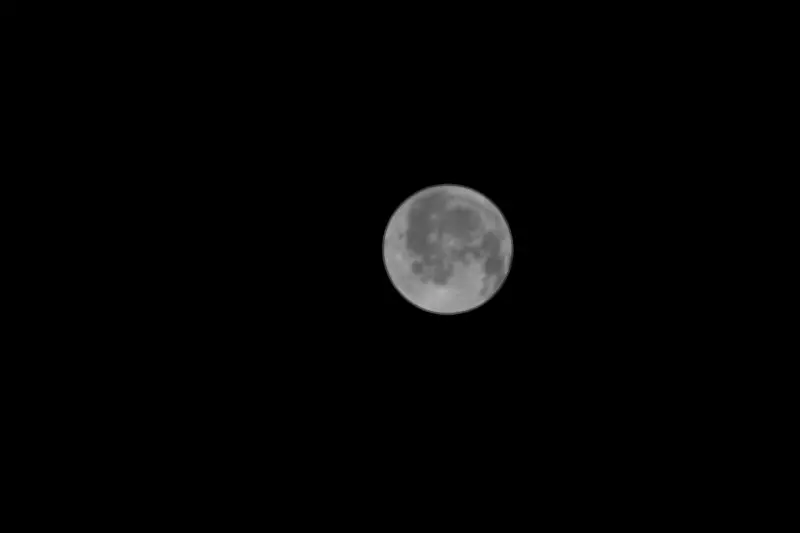
During their roughly six-hour lunar flyby, the astronauts will experience views of the moon's far side that were previously inaccessible to the 24 Apollo astronauts who preceded them. NASA geologist Kelsey Young explained that despite launching on April 1, which provides less illumination of the lunar far side than optimal dates would offer, the crew will still observe "definite chunks of the far side that have never been seen" by human eyes.
The astronauts will work in pairs, taking shifts to capture the lunar landscape through professional-grade cameras and iPhones for more informal documentation. Young's team prepared the crew with lunar geography flashcards and extensive visualization training to maximize their observational capabilities during this historic encounter.
Celestial Spectacle: A Total Solar Eclipse
The April 1 launch timing creates a unique opportunity for the crew to witness a total solar eclipse that won't be visible from Earth. As the moon blocks the sun, the astronauts will have several minutes to observe the sun's corona—the outermost, radiating atmosphere—from their exclusive vantage point aboard the Orion capsule.
All four astronauts packed eclipse glasses for eye protection and will document any unusual solar activity during this celestial event. This represents a scientific bonus to the mission's primary objectives, providing valuable observations of solar phenomena.
Communication Challenges and Return Journey
When Orion passes behind the moon, the capsule will experience approximately 40 minutes of communication blackout with Mission Control—a tense period familiar from Apollo missions. NASA relies on its Deep Space Network antennas in California, Spain, and Australia, but these lose direct line of sight during this critical phase.
Following the lunar flyby, Artemis II will begin its four-day return journey to Earth, targeting a Pacific Ocean splashdown near San Diego on April 10. During the return flight, the crew will make history again by conducting the first radio conversation between a moon-bound crew and colleagues aboard the International Space Station.
This cosmic conversation will include both participants from the first all-female spacewalk in 2019: Christina Koch aboard Orion and Jessica Meir on the space station. The mission represents not just a technical achievement but a symbolic bridge between generations of space exploration, with Artemis II building upon Apollo's legacy while charting new territory for future lunar habitation and research.