Artemis II Moon Mission Faces Toilet Troubles on Historic Lunar Return
Artemis II Moon Mission Faces Toilet Troubles

Artemis II Lunar Mission Grapples with Persistent Toilet Malfunctions

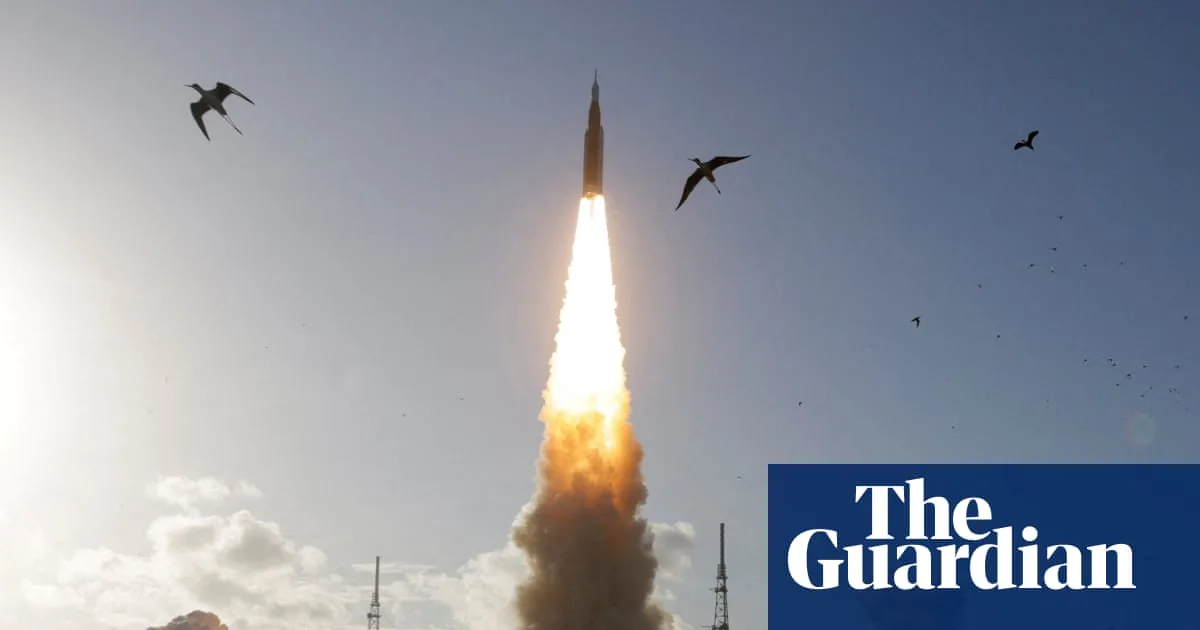
The historic Artemis II flight, which launched from Houston, Texas last Wednesday, marks the first human return to the moon in over five decades. While this NASA mission has largely proceeded smoothly during its initial five days, a significant and potentially odorous problem has emerged aboard the Orion spacecraft.

Multi-Million Dollar Toilet System Experiences Technical Difficulties

The spacecraft's $23 million Universal Waste Management System, essentially a sophisticated space toilet, malfunctioned on the very first day of the ten-day mission. This created substantial challenges for NASA astronauts Christina Koch, Victor Glover, Reid Wiseman and Canadian Space Agency astronaut Jeremy Hansen.

The initial toilet pump issue occurred last Thursday, requiring additional water to become operational. A subsequent problem developed Saturday when ice blocked the wastewater dump system, preventing liquid waste from being properly expelled into space. Fortunately, mission control engineers have managed to resolve these technical difficulties thus far.

Wide Pickt banner — collaborative shopping lists app for Telegram, phone mockup with grocery list

Emergency Procedures Implemented During Toilet Outages

During both toilet malfunctions, astronauts received specific instructions from Houston mission control. They were directed to use the system only for bowel movements while technicians worked on repairs. For urination needs, crew members utilized Collapsible Contingency Urinals, which are essentially long, tube-like plastic containers that serve as an alternative to diapers.

This represents a significant improvement from early NASA lunar missions during the Apollo program between 1969-1972, when astronauts relied exclusively on diapers. The 1969 Apollo 10 mission even experienced an infamous incident involving a floating fecal matter that required quick cleanup by the crew.

Historical Context of Space Sanitation Systems

The first apparatus resembling a proper toilet didn't reach space until the 1973 Skylab space station launch. Considerable technological advancements have occurred in subsequent decades. The current Universal Waste Management System iteration first appeared on the International Space Station during a 2020 cargo mission.

NASA Administrator Jared Isaacman acknowledged on CNN's State of the Union that this technology remains somewhat experimental. "Right now, the toilet is almost a bonus capability," he stated. "We can do many extraordinary things in space, but perfecting this particular capability requires additional work."

Future Implications for Extended Space Missions

These toilet issues carry particular significance for NASA's long-term objectives. The Artemis program aims to establish a permanent lunar base that would eventually facilitate human missions to Mars. Travel to the Red Planet typically requires seven to ten months, necessitating reliable waste management systems capable of functioning throughout extended journeys.

Jim Broyan, a deputy program manager at NASA's Johnson Space Center, explained in 2020 that future systems must "stabilize and dry metabolic waste to make it microbially inactive and possibly reuse that water." He emphasized the importance of reducing consumables for long missions where waste accumulation becomes a serious concern.

Mission Progress Despite Sanitation Challenges

Despite these toilet troubles, Artemis II continues its historic journey. On Monday afternoon Eastern Time, the spacecraft was scheduled to fly around the dark side of the moon, breaking the record for the farthest distance humans have ever traveled from Earth. Following this milestone, the crew will begin their return journey, with a splash landing planned for Friday night off the California coast.

The Universal Waste Management System employs airflow technology to pull urine and feces away from astronauts' bodies in zero-gravity conditions. The system includes foot restraints and handholds to prevent crew members from floating away during use. While current issues have proven manageable, their resolution remains crucial for the success of future extended space missions.

Pickt after-article banner — collaborative shopping lists app with family illustration