Artemis II Lunar Mission Faces Toilet Malfunction Hours After Launch
Artemis II Lunar Mission Toilet Malfunction After Launch

Artemis II Lunar Mission Faces Toilet Malfunction Hours After Launch

Even astronauts embarking on humanity's first lunar voyage in over fifty years cannot escape Earthly plumbing problems. Within hours of the historic Artemis II launch, the toilet aboard NASA's Orion spacecraft began malfunctioning, creating an unexpected challenge for the four-person crew.

Unexpected Plumbing Issues in Space

Flight controllers reported that sensors in the spacecraft's waste management system displayed unexpected readings shortly after launch. Astronaut Christina Koch described the problem to Mission Control, stating, 'The toilet shut down on its own, and I have a blinking amber fault light.' The titanium toilet, which uses air suction technology to remove waste, is positioned in the floor section of the capsule with privacy features including a door and curtain.

The system is designed to separate urine and solid waste, with urine being vented into space while solid waste is stored for the return journey to Earth. When the primary system failed, astronauts were advised to use a handheld Collapsible Contingency Urinal system while engineers worked to resolve the lunar lavatory issue.

Wide Pickt banner — collaborative shopping lists app for Telegram, phone mockup with grocery list

Engineering Solutions and System Upgrades

Fortunately, several hours of troubleshooting resolved the problem. Mission Control announced, 'Happy to report that toilet is go for use. We do recommend letting the system get to operating speed before donating fluid.' This toilet represents an upgraded version of an experimental model launched to the International Space Station in 2020, with modifications specifically designed to be more practical for female astronauts.

Compared to Apollo missions where astronauts had to float in corners, Artemis II features a dedicated toilet compartment in the capsule floor. Canadian astronaut Jeremy Hansen previously described this space as 'the one place we can go during the mission where we can actually feel like we're alone for a moment.' The upgraded system includes automatic air flow activation when the lid is lifted, which helps control odours in the confined space.

Mission Progress Despite Minor Hiccups

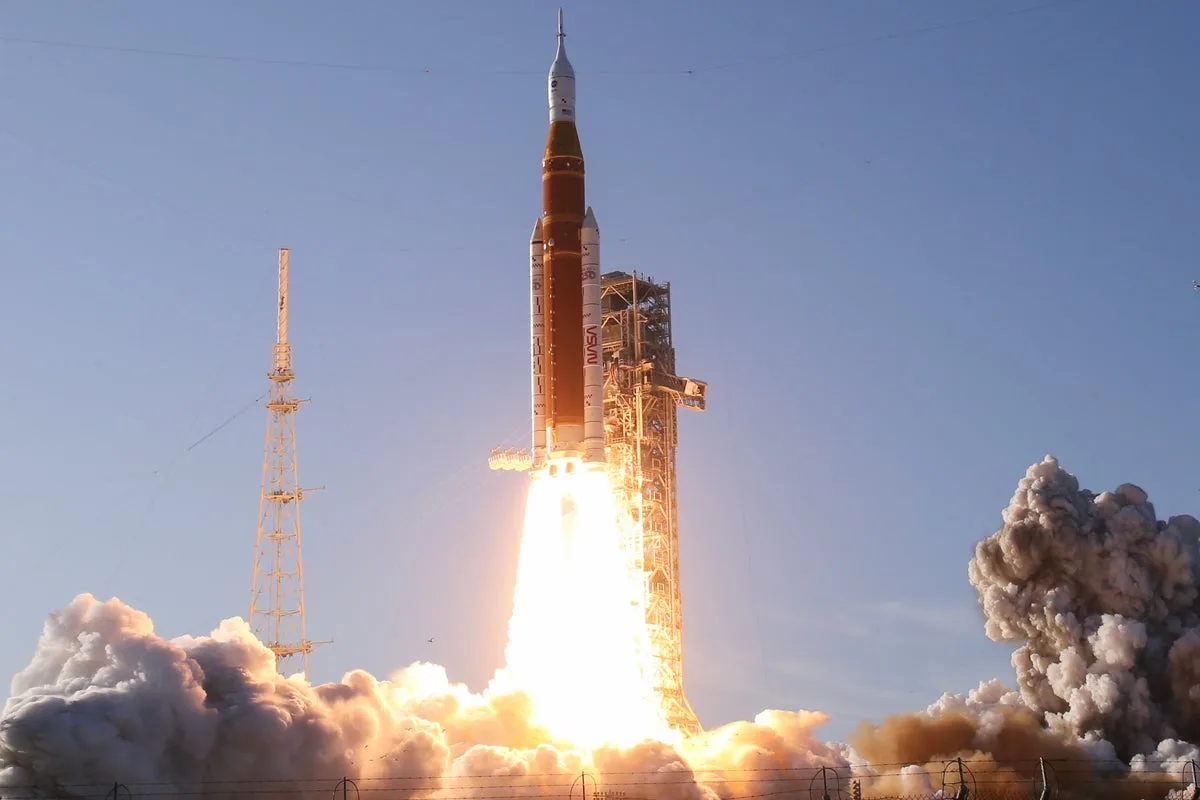
Despite the temporary toilet trouble, the Artemis II mission remains on track following its successful launch from Florida's Kennedy Space Center. The enormous orange and white rocket carried three American astronauts and one Canadian crew member away from Earth with a thunderous roar at approximately 6:35 PM local time.

Mission Commander Reid Wiseman reported, 'We have a beautiful moonrise. We're headed right at it,' as the spacecraft soared into orbit. The crew, currently performing system checks on their untested spacecraft, will soon fire Orion's main engine to begin their journey toward the moon.

Historic Journey Specifications

The ten-day mission represents a significant milestone in space exploration with several notable features:

  • Orion can support four astronauts for up to twenty-one days in space
  • The spacecraft features the largest heat shield ever constructed for human spaceflight
  • Astronauts will live in approximately 330 cubic feet of space, equivalent to two minivans
  • The mission will travel 685,000 miles total, surpassing Apollo 13's distance record
  • On flight day six, Orion will reach its farthest point from Earth at 4,000 miles beyond the moon

The toilet compartment includes foot restraints and handholds based on astronaut feedback about traditional thigh straps being cumbersome. Waste management involves water-tight bags for toilet paper and wipes, with solid waste compacted in removable storage canisters. Most waste containers are loaded into cargo ships that burn up during atmospheric re-entry, while some samples return to Earth for scientific evaluation.

Mission Objectives and Future Implications

Artemis II aims to complete a lunar flyby, passing the dark side of the moon while testing systems for future lunar landings. The mission, estimated to cost approximately $44 billion, represents NASA's return to crewed lunar exploration after decades of absence.

Pickt after-article banner — collaborative shopping lists app with family illustration

Following a momentary communications dropout after launch that was quickly resolved, NASA emphasized the crew's safety and good spirits. The successful resolution of the toilet malfunction demonstrates the mission's resilience and engineering capabilities as humanity prepares for more ambitious lunar exploration in the coming years.