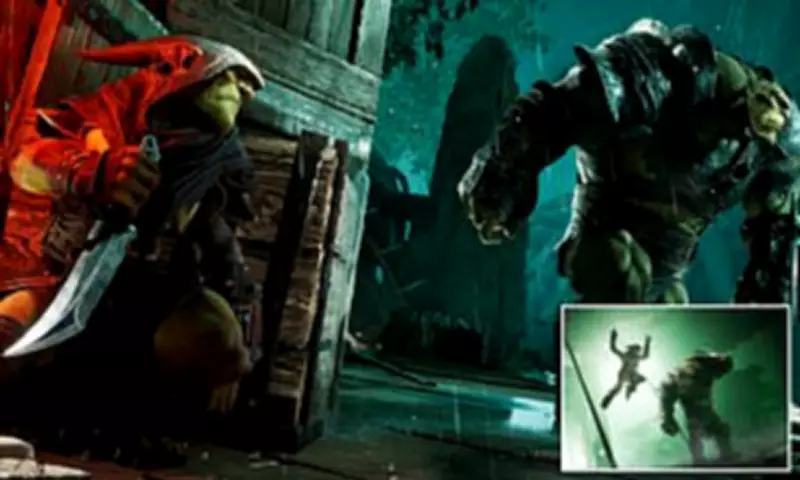
Styx: Blades Of Greed Review - A Thief's Dream Hampered by Bugs
For those who have harboured secret fantasies of a life of crime since playing the original Thief in 1998, the Styx series has long served as a perfect outlet. These games deliver a deeply satisfying stealth experience, tasking players with sneaking, casing locations, and pilfering treasures. The twist? You play as a cunning goblin in a richly imagined fantasy realm, proving that if you are going to embrace villainy, you might as well do it with pointed ears and green skin.
Expanded Freedom and New Tools
Now, the third entry, Styx: Blades Of Greed, has arrived on PlayStation, Xbox, and PC for £34.99. The developers have ambitiously expanded the world, granting players greater freedom to explore and tackle clandestine objectives through multiple approaches. A significant new addition is a glider, allowing the goblin antihero to soar across environments, adding a fresh layer of verticality and strategy to the sneaking.
When these systems align, the game shines brilliantly. Infiltrating an area, silently dispatching a guard, and vanishing into the shadows provides a tremendous and authentic stealth thrill. The core experience of being a predatory goblin in the darkness remains a brilliant and engaging fantasy.

Technical Shortcomings and Glaring Bugs
Regrettably, the experience is severely undermined by a host of technical problems. The graphics appear dated, reminiscent of a previous console generation, which detracts from the atmospheric world. Furthermore, the cutscenes and voice acting are often clunky and unconvincing, breaking immersion at critical moments.
Most damning, however, are the bugs. Within just the first few hours of play, numerous game-breaking glitches were encountered, necessitating three separate reloads from previous saves to progress. These technical flaws are more frightening than any enemy lurking in the shadows and represent a significant barrier to enjoyment.
While future updates may address these issues, for now, this life of virtual crime must regrettably be put on hold. It is a disappointing entry in a previously reliable series, coming agonisingly close to greatness but ultimately faltering.
Star Trek: Voyager – Across The Unknown: A Quiet Gem of Starship Management
Priced at £29.99 and available on PlayStation, Xbox, Switch, and PC, Star Trek: Voyager – Across The Unknown has launched with little fanfare, much like the understated 1990s television series it is based upon. Eschewing the bombast of other Star Trek eras, this game offers a thoughtful and demanding management simulation.
Captain Janeway's Heavy Responsibilities
Players assume the role of Captain Kathryn Janeway, tasked with the immense responsibility of running the USS Voyager. This involves a meticulous balancing act: maintaining crew morale, housing, and sustenance while simultaneously managing the starship's fuel, repairs, and technological upgrades. It is a game that will rigorously test any player's strategic and logistical skills.
The gameplay is largely austere, focused on analysing maps, schematics, and resource levels to make critical decisions, often under pressure with multiple alarms signalling simultaneous crises. It demands expert juggling of numerous, competing priorities.
Weaving Stories from Data
Yet, much like complex strategy titles such as Crusader Kings, Across The Unknown excels at weaving compelling narratives from its dry data points. Longtime fans will delight in storylines pulled directly from the TV series, while the micro-decisions players make forge their own unique chapters in Star Trek history.
The game does overreach slightly, with its tacked-on ship-to-ship combat feeling like one system too many. However, the boldness and unique vision of this detailed management sim deserve a far greater reception than its quiet release has garnered. It is a title that truly embodies the spirit of its source material.

Disciples: Domination: A Formulaic but Refined Fantasy Strategy
Disciples: Domination arrives on PlayStation, Xbox, and PC for £39.99, continuing the 27-year-old strategy series. Players control Queen Avyanna, who faces grumbling dissent and a new supernatural threat despite her past heroics, embarking on a quest to restore peace to her kingdom.
Classic Turn-Based Strategy Gameplay
This is a traditional strategy game at heart. Players guide Avyanna and other heroes across a fantasy world map, engaging in tactical, turn-based battles on grid-based maps with a growing roster of warriors and mythical creatures. The initial simplicity of the combat gives way to satisfying complexity as more unit types and varied environments are introduced, making the later challenges particularly rewarding to overcome.
Charming Yet Limiting Tradition
The core issue with Domination is its steadfast adherence to a well-worn formula. While there is a charming consistency to the series' presentation of a fractured kingdom populated by standard elves, dwarves, humans, and demons, it also feels creatively limiting. The story is somewhat predictable, and the gameplay, though refined, offers little that hasn't been seen in previous entries.
For dedicated fans of the series with high patience for traditional fantasy tropes, Disciples: Domination provides a solid and polished strategic experience. However, much like the discontented subjects Queen Avyanna must manage, many players will likely find themselves grumbling for more innovation and less familiar territory.