How Video Games Simulate the Profound Solitude of Space Exploration
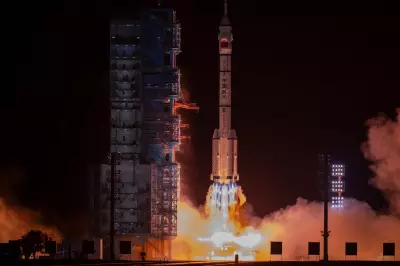
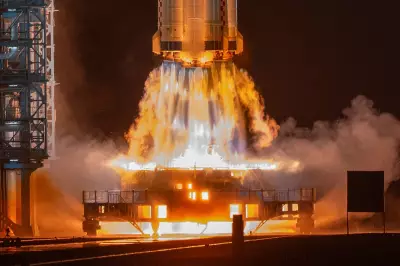
Last week's Artemis II space mission launch was a breathtaking spectacle, with towering rockets roaring to life and propelling the Orion craft through Earth's atmosphere. Yet, the subsequent images of the tiny vessel and its four-person crew drifting silently through the void, growing ever more distant from home, hold a profound impact. This sense of cosmic isolation is a theme that video games have long sought to capture, offering players a glimpse into the awe and terror of space travel.
The Loneliness of the Cosmos
In his autobiography, Apollo astronaut Michael Collins eloquently described this feeling. While Neil Armstrong and Buzz Aldrin landed on the moon, Collins remained alone in the command module, writing of being "truly alone, and absolutely isolated from any known life." Most science-fiction video games are set in bustling galaxies or futures where space travel is commonplace, but a select few delve into this vulnerability and solitude.
As a NASA-obsessed child in the 1980s, I spent hours playing the classic space trading game Elite, which rendered an entire lonely universe in monochrome vector visuals. Navigating between silent space stations in a small, single-seater craft, watching stars and distant planets pass by, evoked a deep sense of isolation. More recently, the original 2016 release of No Man's Sky allowed players to explore desolate, often deadly planets alone, where acid atmospheres or scarce resources cast an ominous shadow over every journey. Later patches made the game more forgiving, but that initial sense of peril heightened the emotional weight of quiet arrivals.

Similarly, the surreal, minimalist game Exo One tasks players with piloting a tiny alien craft over psychedelic landscapes, surfing thermal updrafts and swooping down impossible mountainsides. Game developer Henry Driver noted that Exo One "captivated audiences like nothing else" at a games festival, highlighting its ability to evoke beauty and loneliness.
Games That Evoke Solitude and Danger
Many other titles masterfully capture this theme. The puzzle adventure Outer Wilds thrusts players into a time loop in a doomed planetary system, living out the same lonely 22 minutes repeatedly while searching for escape. Its worlds are cruel yet beautiful, with a ticking clock leading to an apocalyptic supernova. Games like Observation and Tacoma set players in crippled space stations, piecing together events that led to disaster.
Other games, such as Alien: Isolation, Freelancer, Homeworld, and Out There, were recalled by writers and designers for their portrayal of solitude, awe, and fear. These games focus on minimalist elements of space travel, often emphasizing isolated noises and details. Games industry adviser Tracey McGarrigan reminisced about the Atari 2600 game Solaris, mentioning "the sounds of your ship's engines ... the scrolling fuchsia corridors."
Simulating the Edge of Existence
We may never fully understand what the Orion crew experienced during their 40 minutes behind the moon, out of contact with mission control and utterly alone. However, video games have historically sought to simulate this feeling, offering a taste of facing the black abyss protected only by thin metal and oxygen tanks. There is something within us that craves to know what it's like to loiter at the very edge of existence, whether through extreme sports, thrill rides, or the generated galaxies of thoughtful space games.
These games concentrate not on generational starships or laser wars, but on small crews in tiny pods, with the weight of the universe stacked against them in the dark. They remind us of the fragile quiet and mortal danger that define the human experience of space, making them powerful tools for exploring cosmic isolation.